- English
- Español
- Português
- русский
- Français
- 日本語
- Deutsch
- tiếng Việt
- Italiano
- Nederlands
- ภาษาไทย
- Polski
- 한국어
- Svenska
- magyar
- Malay
- বাংলা ভাষার
- Dansk
- Suomi
- हिन्दी
- Pilipino
- Türkçe
- Gaeilge
- العربية
- Indonesia
- Norsk
- تمل
- český
- ελληνικά
- український
- Javanese
- فارسی
- தமிழ்
- తెలుగు
- नेपाली
- Burmese
- български
- ລາວ
- Latine
- Қазақша
- Euskal
- Azərbaycan
- Slovenský jazyk
- Македонски
- Lietuvos
- Eesti Keel
- Română
- Slovenski
- मराठी
- Srpski језик
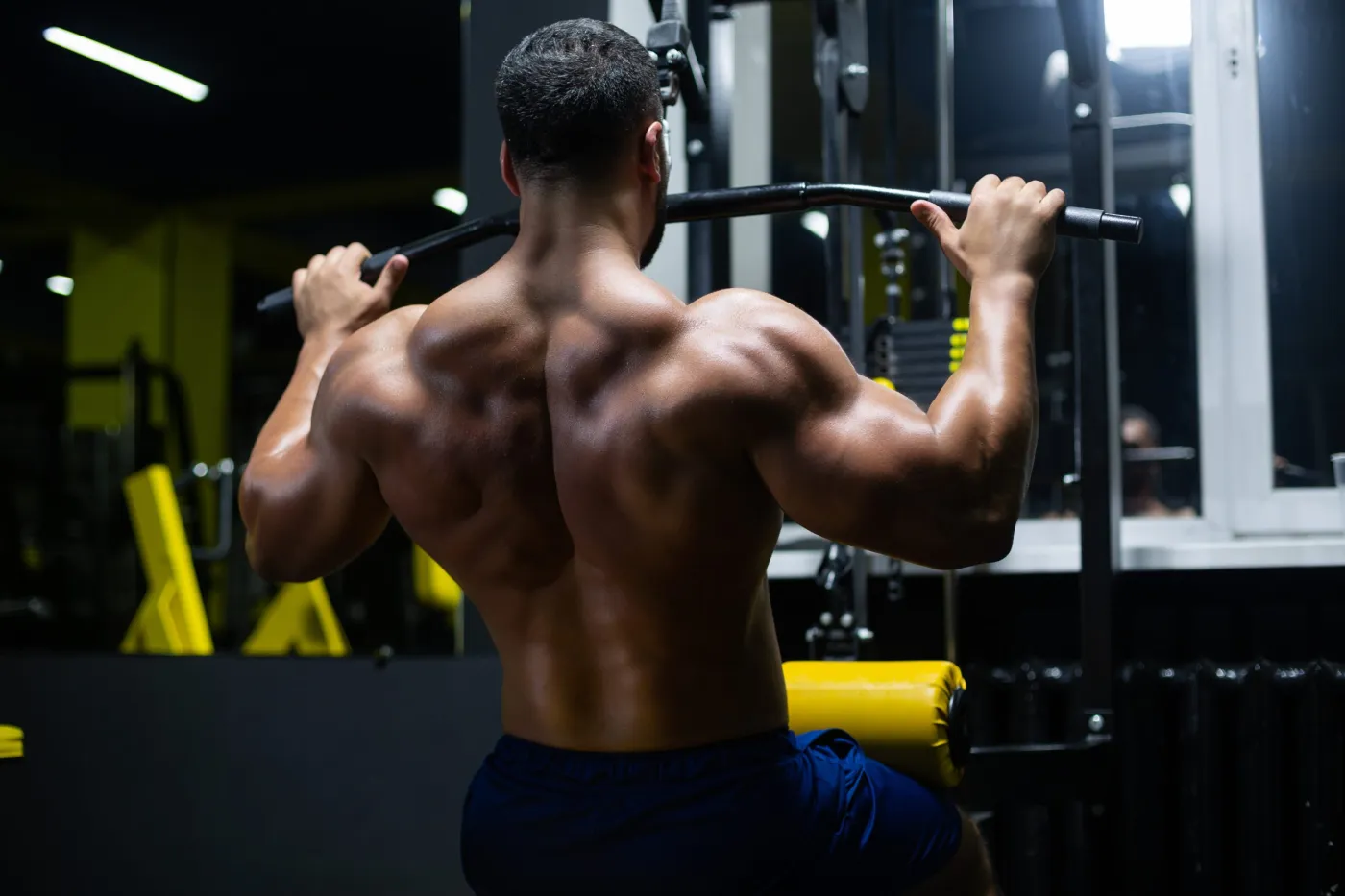
Should We Focus on Rowing or Pulling to Build a Strong Back?
In strength training, both rowing and pulling exercises are highly effective for building back strength, but their focuses and effects differ slightly.
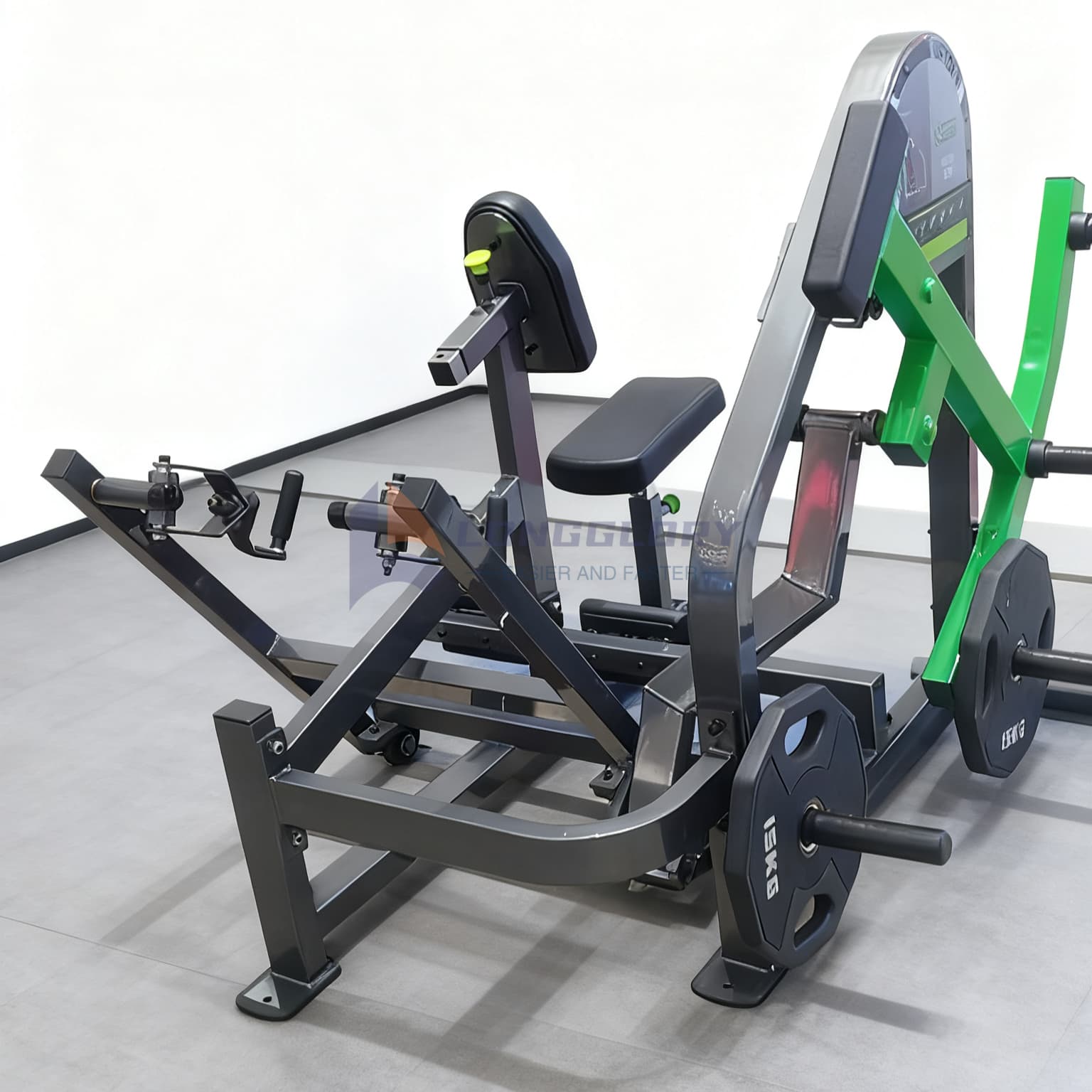
Rowing exercises include single-arm dumbbell rows, double-arm dumbbell rows, and machine rows. These exercises primarily focus on increasing back width and overall stability by contracting the latissimus dorsi, trapezius, and biceps brachii.
Rowing exercises are excellent for increasing back width and thickness, especially for developing the latissimus dorsi. They help improve posture, enhance core stability, and contribute to balanced back muscle development.
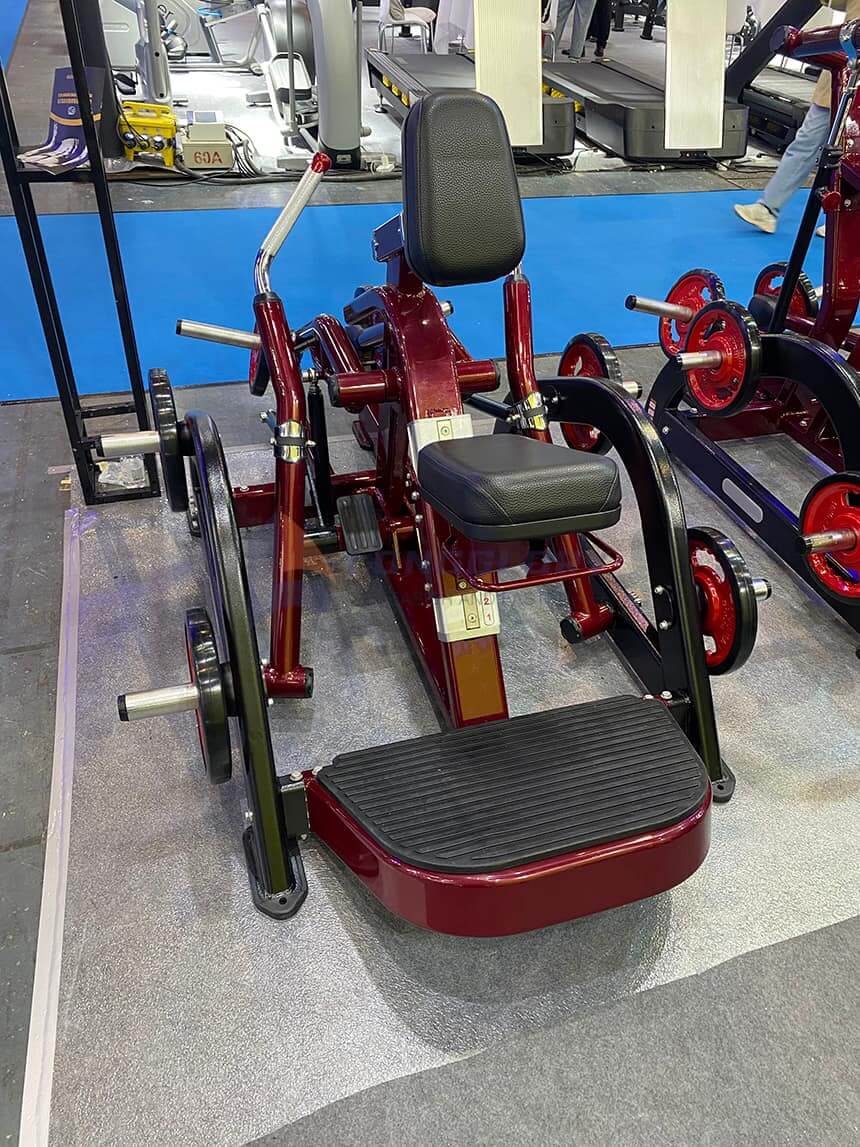
Pulling exercises include wide-grip pull-ups, narrow-grip pull-ups, straight-arm lat pulldowns, and machine lat pulldowns. These exercises primarily focus on strengthening the upper arms and upper back by contracting the latissimus dorsi, trapezius, triceps brachii, and the middle part of the upper back.
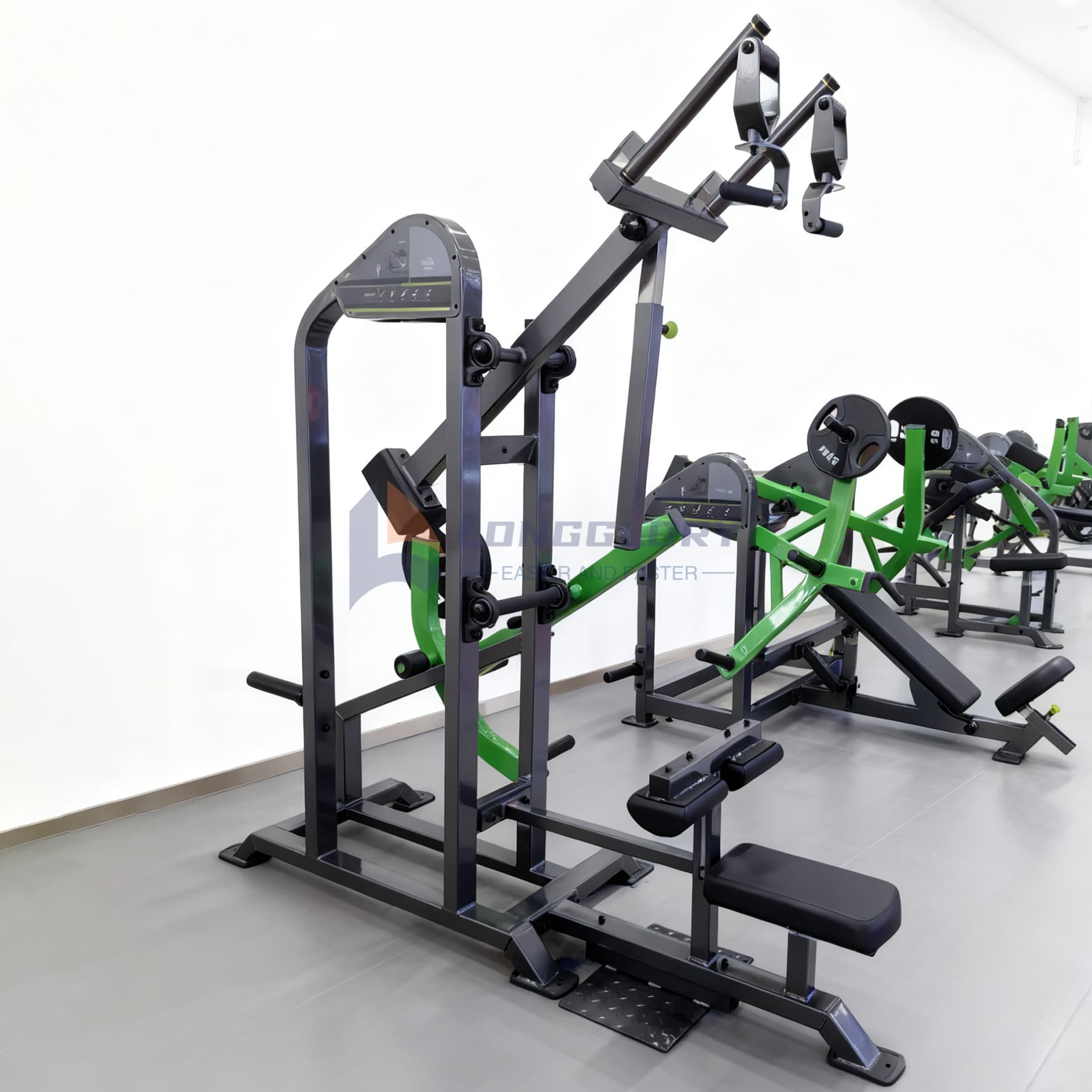
Pulling exercises are effective at strengthening the upper back and upper arm muscles, especially the trapezius and triceps. These exercises also improve rear shoulder stability and strength. If your goal is to increase back width and thickness, rowing exercises, such as dumbbell rows or machine rows, are recommended. These exercises effectively activate the latissimus dorsi and trapezius, as well as enhance core stability.
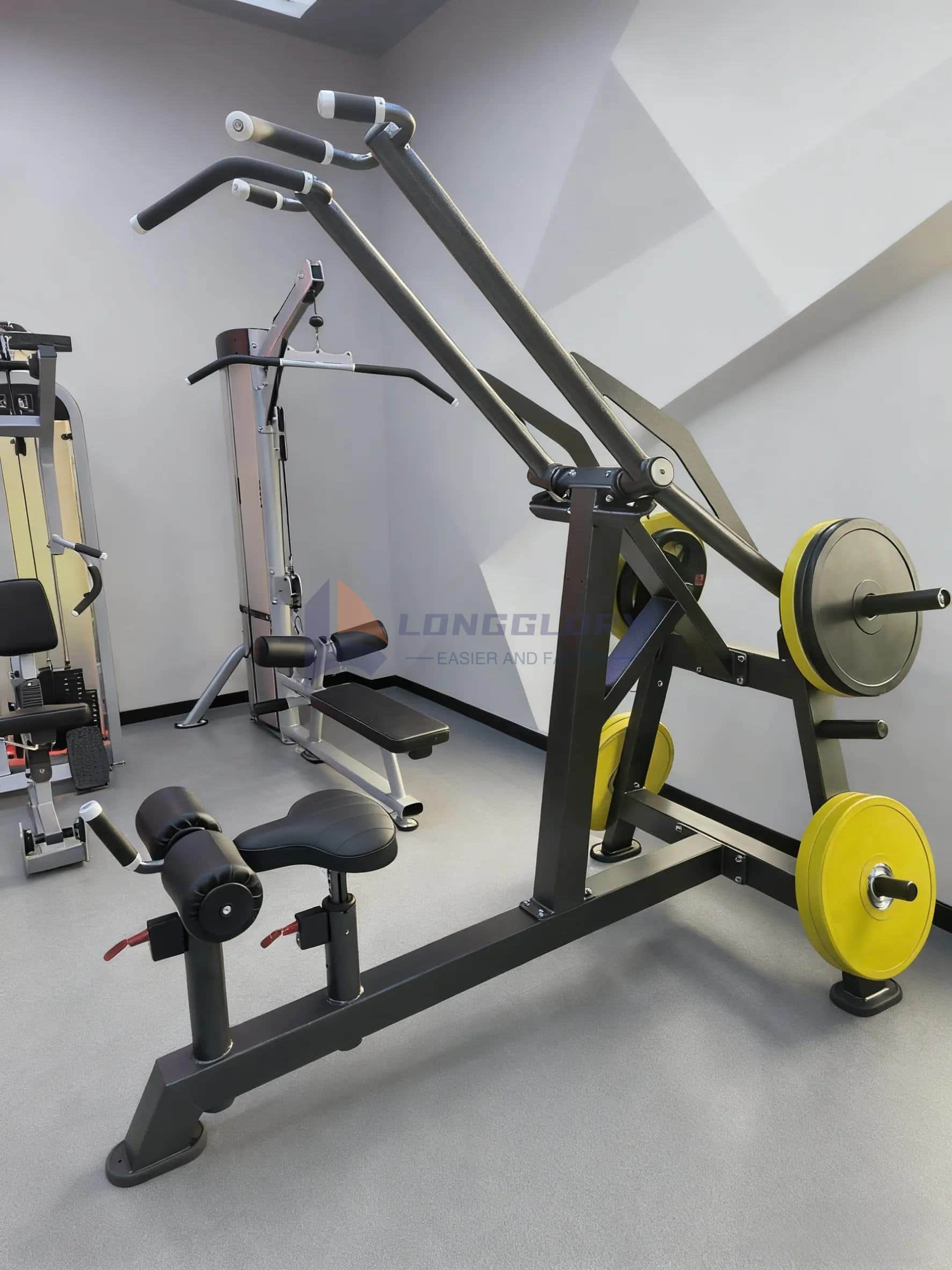
If you want to strengthen your upper arms and upper back, or improve rear shoulder stability, you can choose pulling exercises, such as pull-ups or straight-arm pulldowns. For a well-rounded back, it's recommended to combine rowing and pulling exercises in your training. Design a comprehensive back training program that includes different rowing and pulling exercises to ensure comprehensive development and strengthening of the back muscles.