- English
- Español
- Português
- русский
- Français
- 日本語
- Deutsch
- tiếng Việt
- Italiano
- Nederlands
- ภาษาไทย
- Polski
- 한국어
- Svenska
- magyar
- Malay
- বাংলা ভাষার
- Dansk
- Suomi
- हिन्दी
- Pilipino
- Türkçe
- Gaeilge
- العربية
- Indonesia
- Norsk
- تمل
- český
- ελληνικά
- український
- Javanese
- فارسی
- தமிழ்
- తెలుగు
- नेपाली
- Burmese
- български
- ລາວ
- Latine
- Қазақша
- Euskal
- Azərbaycan
- Slovenský jazyk
- Македонски
- Lietuvos
- Eesti Keel
- Română
- Slovenski
- मराठी
- Srpski језик
How to Equip Corporate Gyms, Home Gyms, and Fitness Studios Under 100 Square Meters?
For gyms ranging from a few dozen to 100 square meters—representing a relatively modest investment—how should one approach the purchase of fitness equipment? What items should be bought? And how can you ensure your purchase is both cost-effective and worry-free?
I. Opt for Direct-from-Manufacturer Sales and One-Stop Shopping
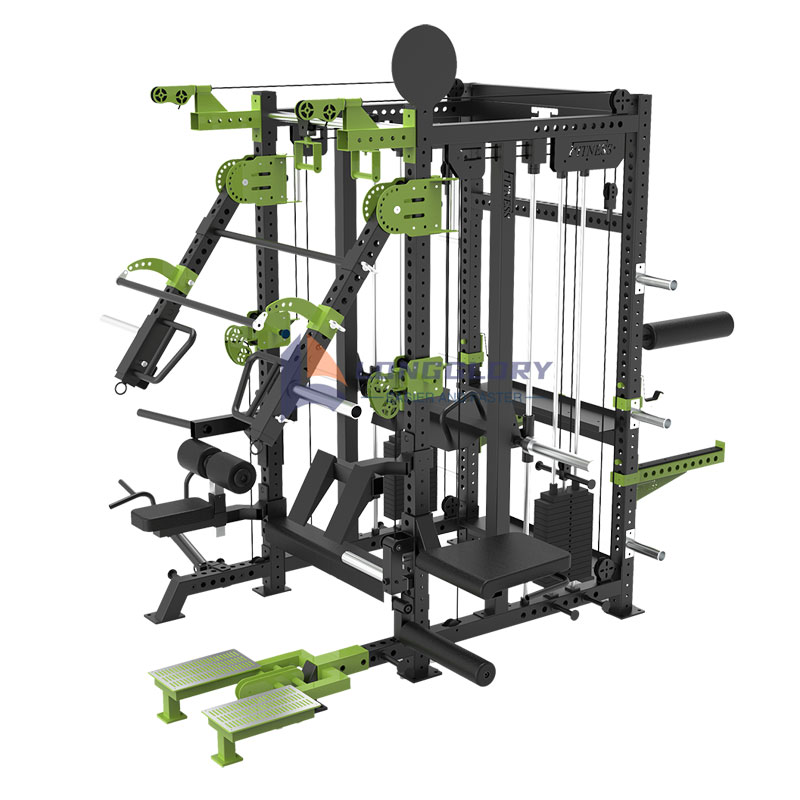
Choosing a one-stop supplier for fitness equipment can significantly streamline your procurement process and boost overall efficiency. Take LongGlory, for example: this company offers comprehensive solutions ranging from pre-sales consultation to after-sales support, ensuring you enjoy a smooth and professional service experience at every stage. Backed by over two decades of deep industry expertise, LongGlory provides practical, reliable, and customized professional advice, empowering clients to make informed decisions and create high-quality fitness spaces.
II. Be Selectively "Thrifty"
Equipment serves as the core tool for training; if its quality is poor, you face not only significant expenditures in manpower and resources for after-sales service and maintenance but also substantial safety risks.
For instance, flooring mats can pose issues regarding formaldehyde emissions; for the sake of health, one should not cut corners or prioritize low cost in this area.
However, you can save on your budget by economizing on certain accessories and smaller items, as these are unlikely to cause catastrophic injuries and, compared to major equipment, are generally considered consumables.
Turning to equipment configuration: unlike large-scale commercial gyms, smaller fitness spaces experience lower user traffic and have limited floor area, making single-function machines less practical.
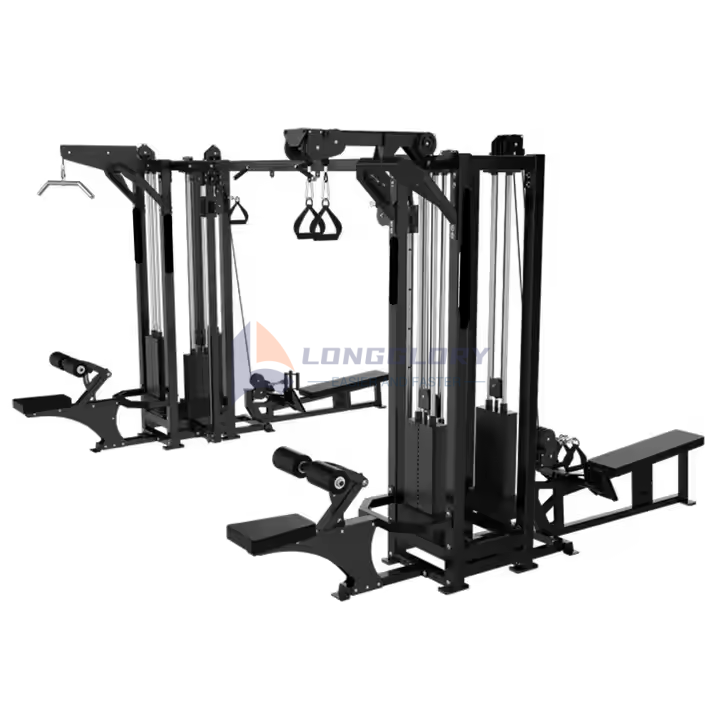
It is advisable to prioritize multi-functional integrated training systems—such as power racks (cages), cable crossover machines, single-station units, multi-station units, Smith machines, and similar equipment.
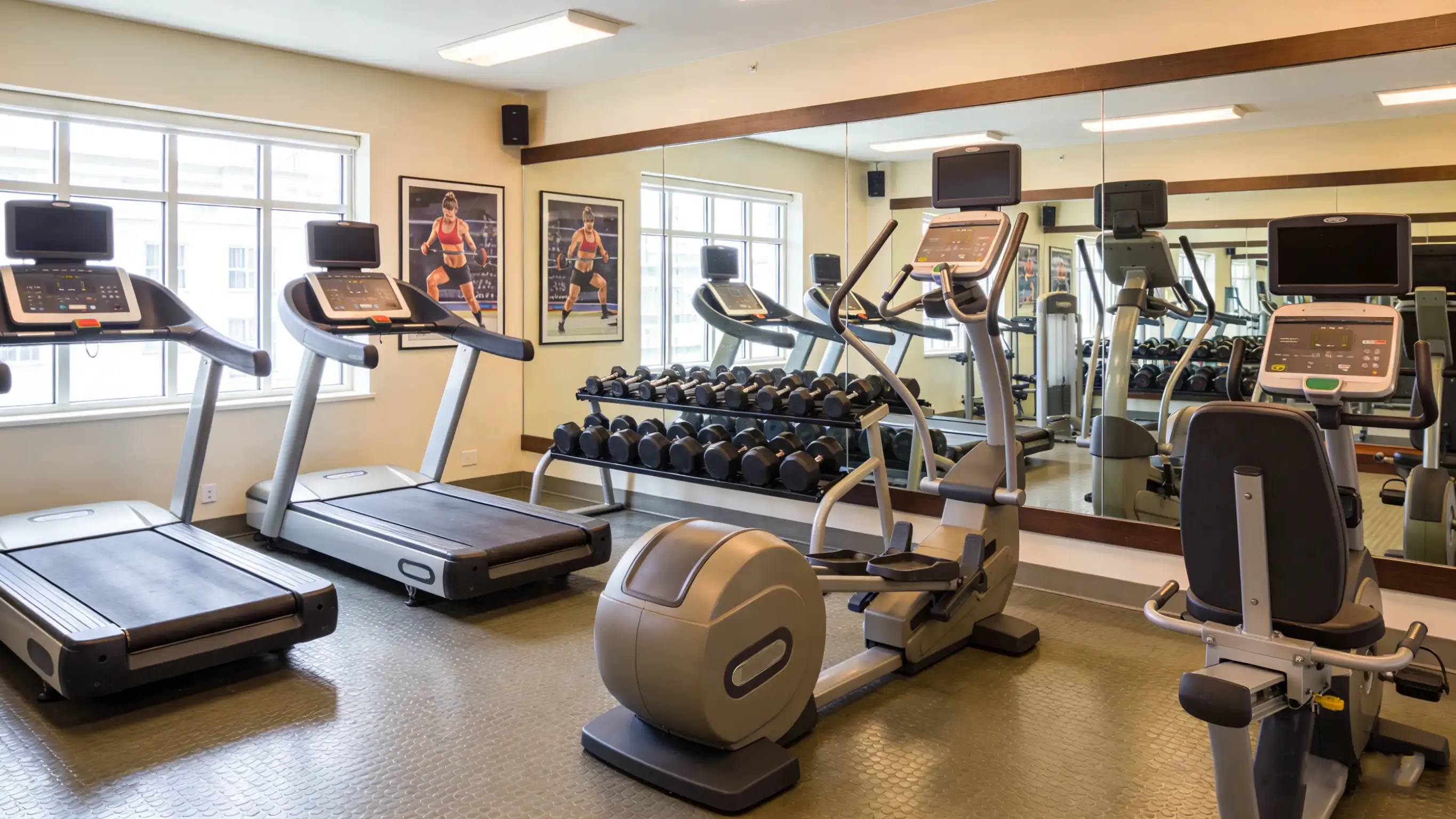
Here is a general guide on how to combine equipment for small-scale fitness spaces:
1. A single integrated training rack can satisfy the majority—or even all—of your training requirements.
2. Dumbbells, barbells, and a weight bench are essentially essential items; beginners can start by purchasing the rack first, then add dumbbells and barbells later as their needs evolve.
3. Cardio equipment should be selected based on personal preference and specific needs; typically, 1 to 5 units are sufficient. The treadmill is the most fundamental option and comes highly recommended; it allows not only for running but also for incline training.
Exercise bikes fall into three categories: spin bikes (ideal for fast-paced, fat-burning workouts), upright bikes (a versatile, standard model suitable for general use), and recumbent bikes (best suited for individuals with limited physical capabilities).
Elliptical trainers and stair climbers offer a higher training intensity, placing a greater emphasis on engaging the gluteal muscles.
The rowing machine is a particularly safe option that provides a full-body resistance workout; it is also easy to store, making it a great space-saving choice.