- English
- Español
- Português
- русский
- Français
- 日本語
- Deutsch
- tiếng Việt
- Italiano
- Nederlands
- ภาษาไทย
- Polski
- 한국어
- Svenska
- magyar
- Malay
- বাংলা ভাষার
- Dansk
- Suomi
- हिन्दी
- Pilipino
- Türkçe
- Gaeilge
- العربية
- Indonesia
- Norsk
- تمل
- český
- ελληνικά
- український
- Javanese
- فارسی
- தமிழ்
- తెలుగు
- नेपाली
- Burmese
- български
- ລາວ
- Latine
- Қазақша
- Euskal
- Azərbaycan
- Slovenský jazyk
- Македонски
- Lietuvos
- Eesti Keel
- Română
- Slovenski
- मराठी
- Srpski језик
How Should Corporate Gyms Be Equipped and Laid Out?
Many gyms within companies, residential communities, or local districts frequently encounter a common dilemma: despite expending significant energy and budget—with the clear intention of providing a benefit to everyone—very few people actually show up to work out. Where does the problem lie? After managing dozens of such gym projects, we have identified that the key to configuring non-profit fitness facilities lies in three core principles: precisely matching user needs, scientifically planning the space, and implementing long-term cost controls. Today, we will share how to avoid common pitfalls and create a cost-effective fitness space that satisfies management and is genuinely loved by employees.
Pitfall #1: Quantity Does Not Equal Professionalism
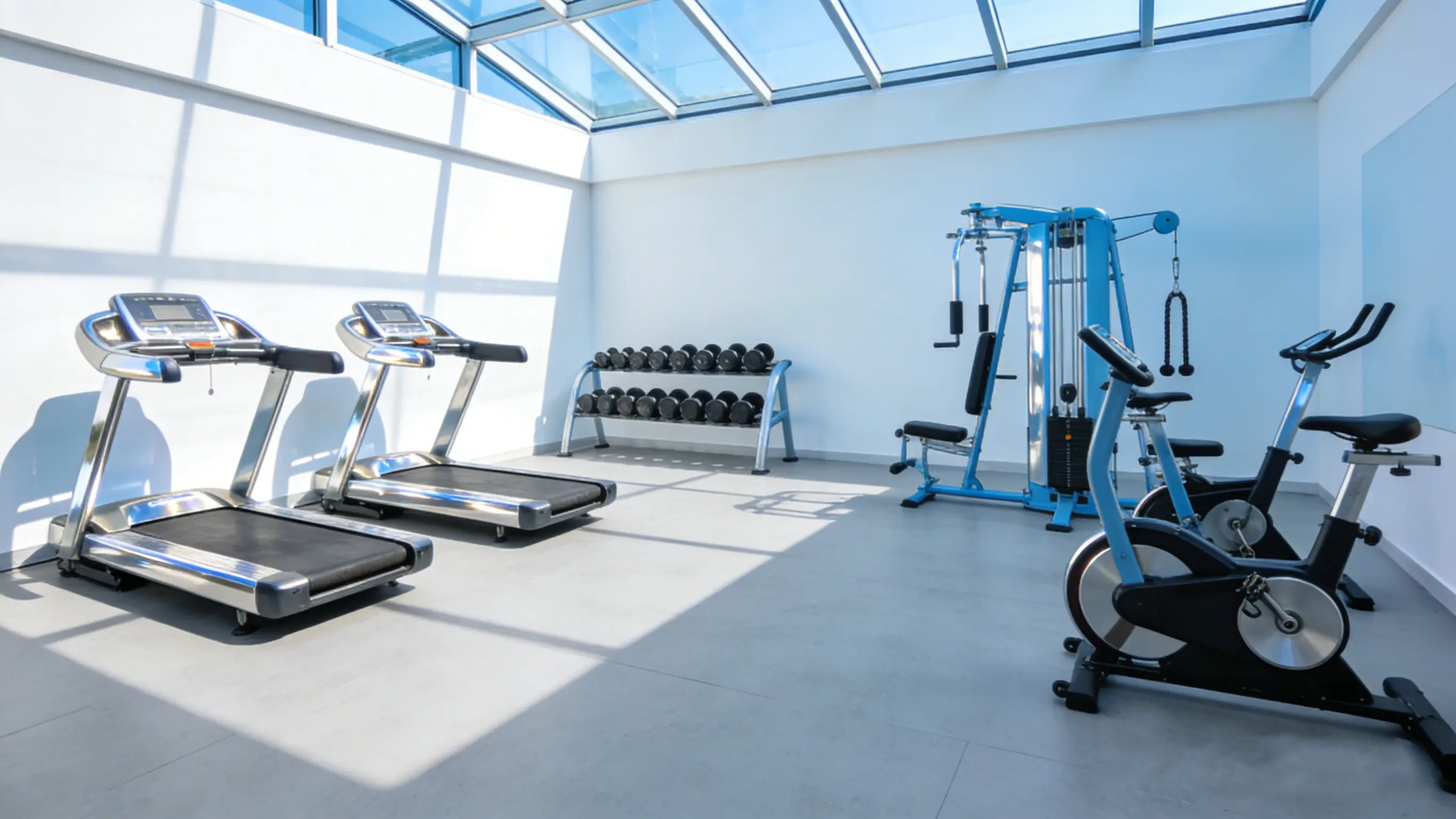
Many procurement managers are accustomed to using the sheer *number* of machines to demonstrate the organization's "strength" or status. This often results in overcrowded spaces and redundant equipment functionality. In reality, standard gym equipment falls into just three major categories: cardio, strength training, and functional training. Strength training equipment is a particularly common trouble spot; not only is there a vast array of machine types available, but the field also involves specialized terminology, making it all too easy to make incorrect selections or overlook essential items.
Pitfall #2: Unreasonable Space Planning
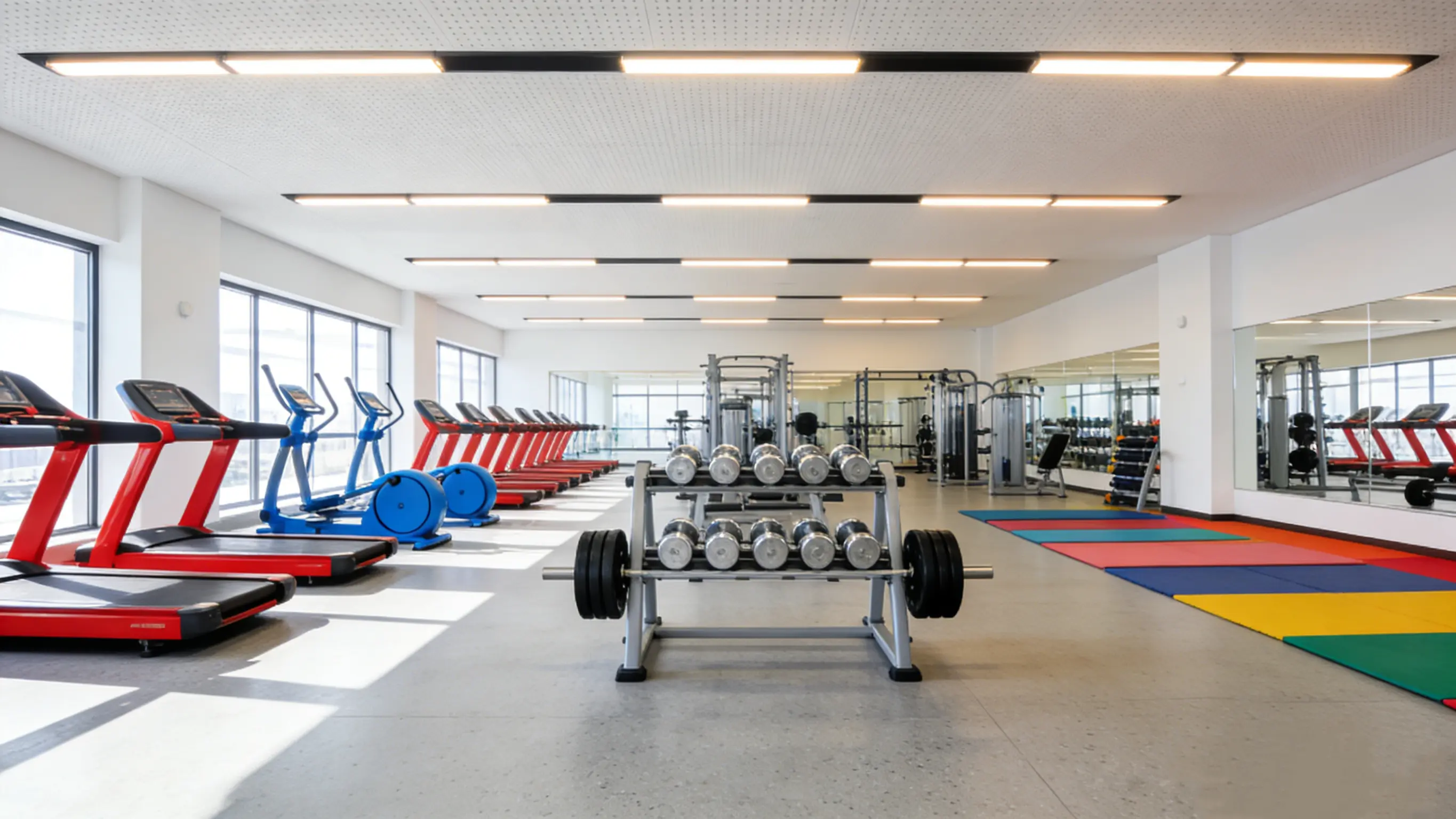
The layout of equipment should be organized according to the three aforementioned zones: cardio, strength, and functional training. Ideally, walkways and aisles should maintain a width of at least 1.5 meters. For small to medium-sized gyms, selecting multi-functional and collapsible equipment can significantly enhance space utilization efficiency.
Pitfall #3: Underestimating Maintenance Costs
The maintenance costs associated with commercial-grade fitness equipment encompass three distinct levels: daily cleaning supplies, periodic replacement of parts, and software system upgrade fees. Compared to the one-time capital outlay for purchasing the equipment itself, these ongoing maintenance costs can be far more substantial. Therefore, when selecting equipment, one must not focus solely on the upfront purchase price; instead, a comprehensive evaluation based on product quality and after-sales service is essential.
Key Considerations for Equipment Configuration:
Tailoring to User Demographics:Corporate gyms should determine the equipment mix based on the gender ratio of their workforce. For instance, a staff with a higher proportion of female employees might benefit from more cardio and lower-body/glute training equipment, whereas a male-dominated staff might require more strength training and upper-body equipment. Community centers should prioritize safe, low-impact equipment—such as elliptical trainers and recumbent bikes—to minimize the risk of injury for users of varying fitness levels. Hotel fitness facilities should focus primarily on cardio equipment, while also paying close attention to the aesthetic appeal and premium "feel" of the machines.
Prioritizing Ergonomics:This consideration applies primarily to strength training equipment. Key questions to ask include: Is the machine's movement trajectory biomechanically sound? Is it suitable for the body types of the majority of users? Does it facilitate a comfortable and effective force-generating motion?
Do Not Substitute with Home-Use Models
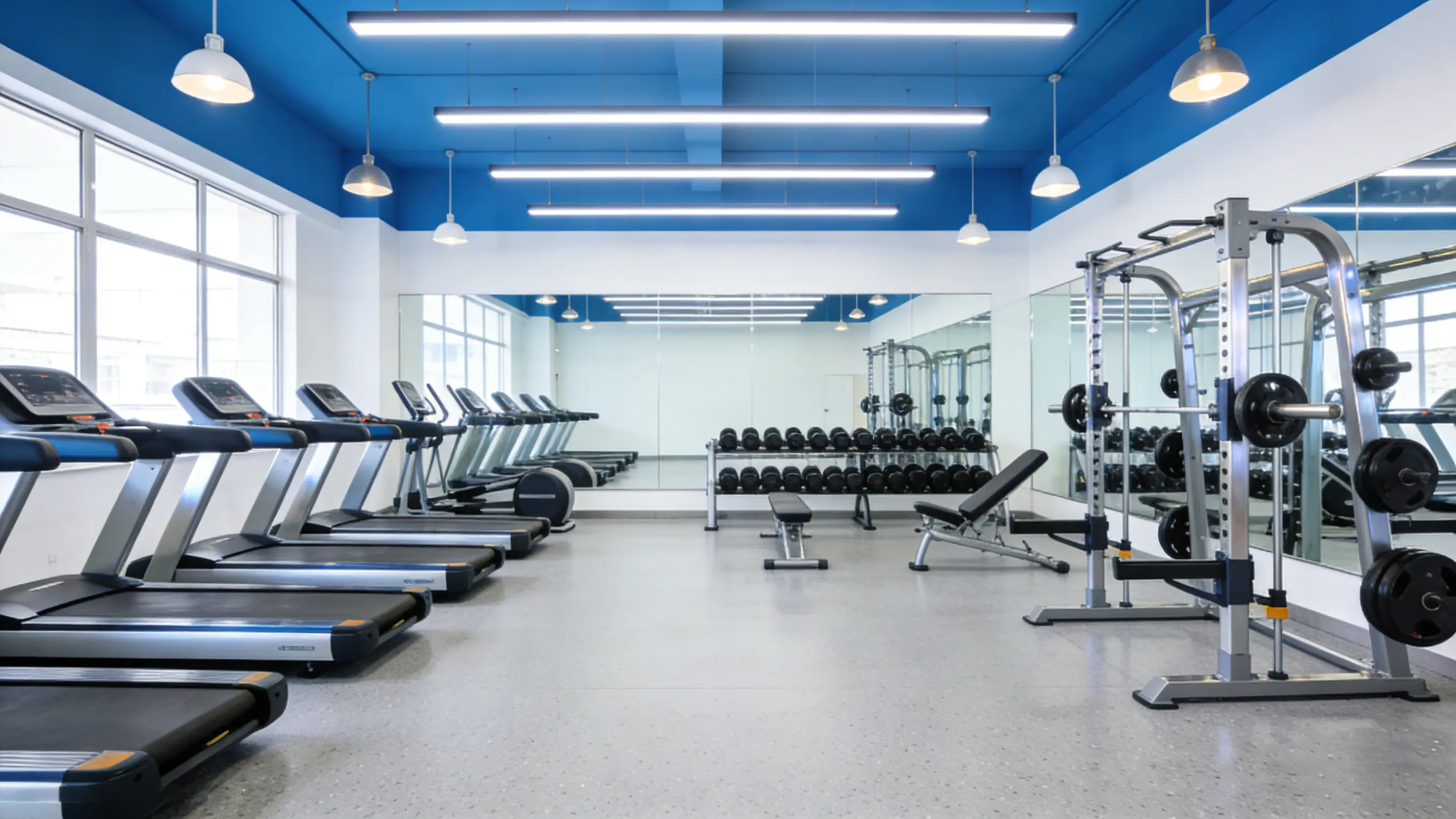
Commercial-grade equipment is designed to withstand a daily usage frequency of over 200 sessions. Home-use equipment, however, offers neither the necessary load-bearing capacity nor—in the case of treadmills, ellipticals, and similar machines—the motor power required to sustain such high-frequency usage; consequently, relying on such equipment can lead to a twofold increase in mechanical failures.
When management observes a steady stream of activity in the gym from morning till night, or witnesses a visible revitalization of the employees' morale, the initial investment truly transforms into tangible results. A well-equipped gym is not a luxury; rather, it is a highly effective investment for enhancing team cohesion.