- English
- Español
- Português
- русский
- Français
- 日本語
- Deutsch
- tiếng Việt
- Italiano
- Nederlands
- ภาษาไทย
- Polski
- 한국어
- Svenska
- magyar
- Malay
- বাংলা ভাষার
- Dansk
- Suomi
- हिन्दी
- Pilipino
- Türkçe
- Gaeilge
- العربية
- Indonesia
- Norsk
- تمل
- český
- ελληνικά
- український
- Javanese
- فارسی
- தமிழ்
- తెలుగు
- नेपाली
- Burmese
- български
- ລາວ
- Latine
- Қазақша
- Euskal
- Azərbaycan
- Slovenský jazyk
- Македонски
- Lietuvos
- Eesti Keel
- Română
- Slovenski
- मराठी
- Srpski језик
How Can Fitness Beginners Who Lack Access to Postural Assessments Train Safely and Effectively?
"What are your 'Big Three' numbers?" Anyone who has ever stepped foot in a gym has likely heard this phrase in one form or another. The "Big Three"—referring to the squat, bench press, and deadlift—are widely recognized as the gold standard of strength training movements. Highly acclaimed by professional athletes and fitness influencers alike, they efficiently stimulate the body's major muscle groups and help sculpt a powerful physique. When people ask about your "Big Three" numbers, they are simply asking how many kilograms you can lift when performing these specific exercises. There are even specialized formulas used to calculate these figures for the purpose of assessing one's training level; however, the "Big Three" are not always the optimal choice for everyone. Let's take a closer look below.
For the average person—often burdened by long hours of desk work, disrupted sleep schedules, and bodies that have long since begun sounding the alarm—the primary objective of fitness is not to chase "social currency" at the risk of injury. Rather, the goal is to reawaken the body, correct muscular imbalances, alleviate pain, build confidence through positive reinforcement, and ultimately, achieve a form of self-rescue.
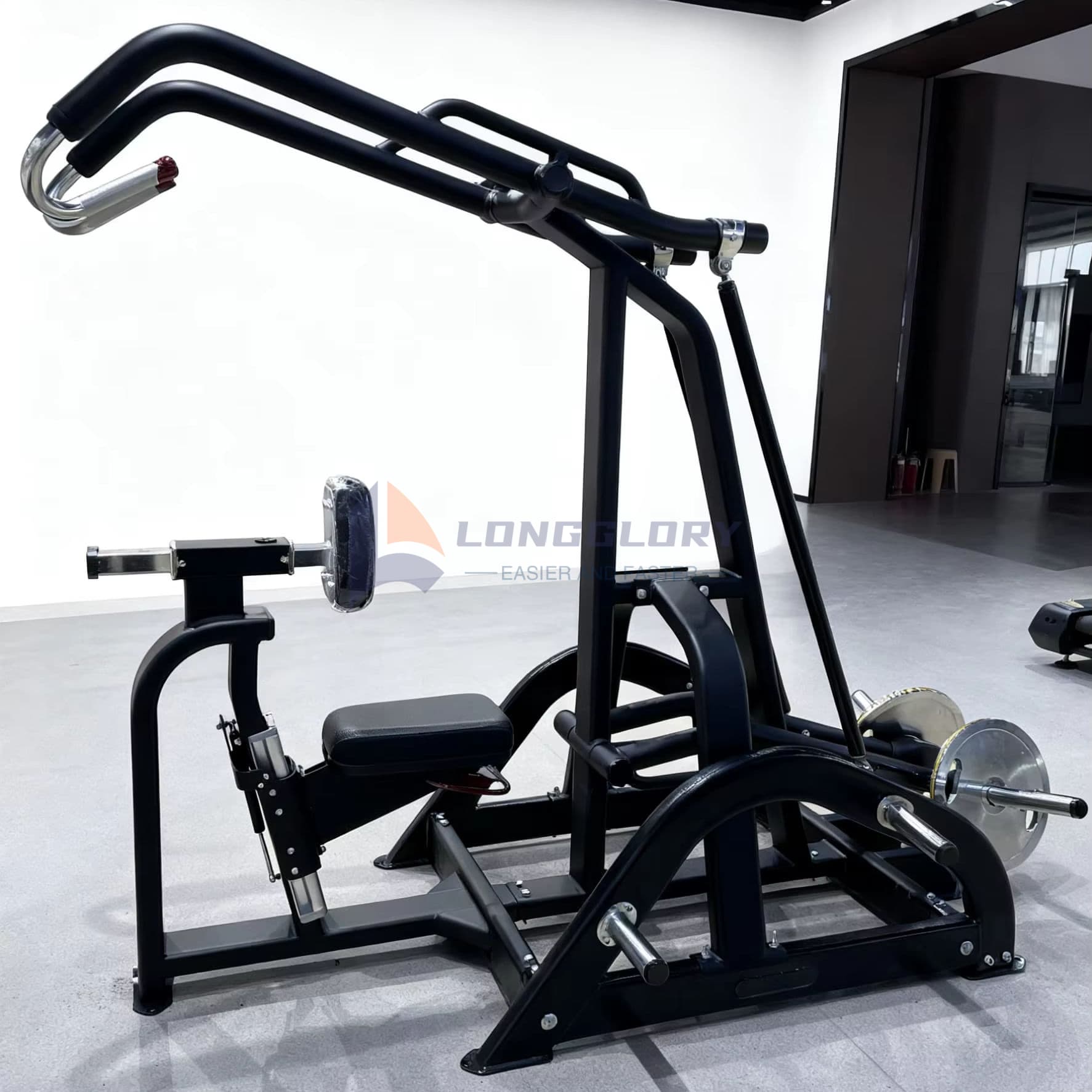
Targets the latissimus dorsi, rhomboids, and the middle and lower trapezius—muscles responsible for retracting and depressing the scapulae—thereby counteracting rounded shoulders.
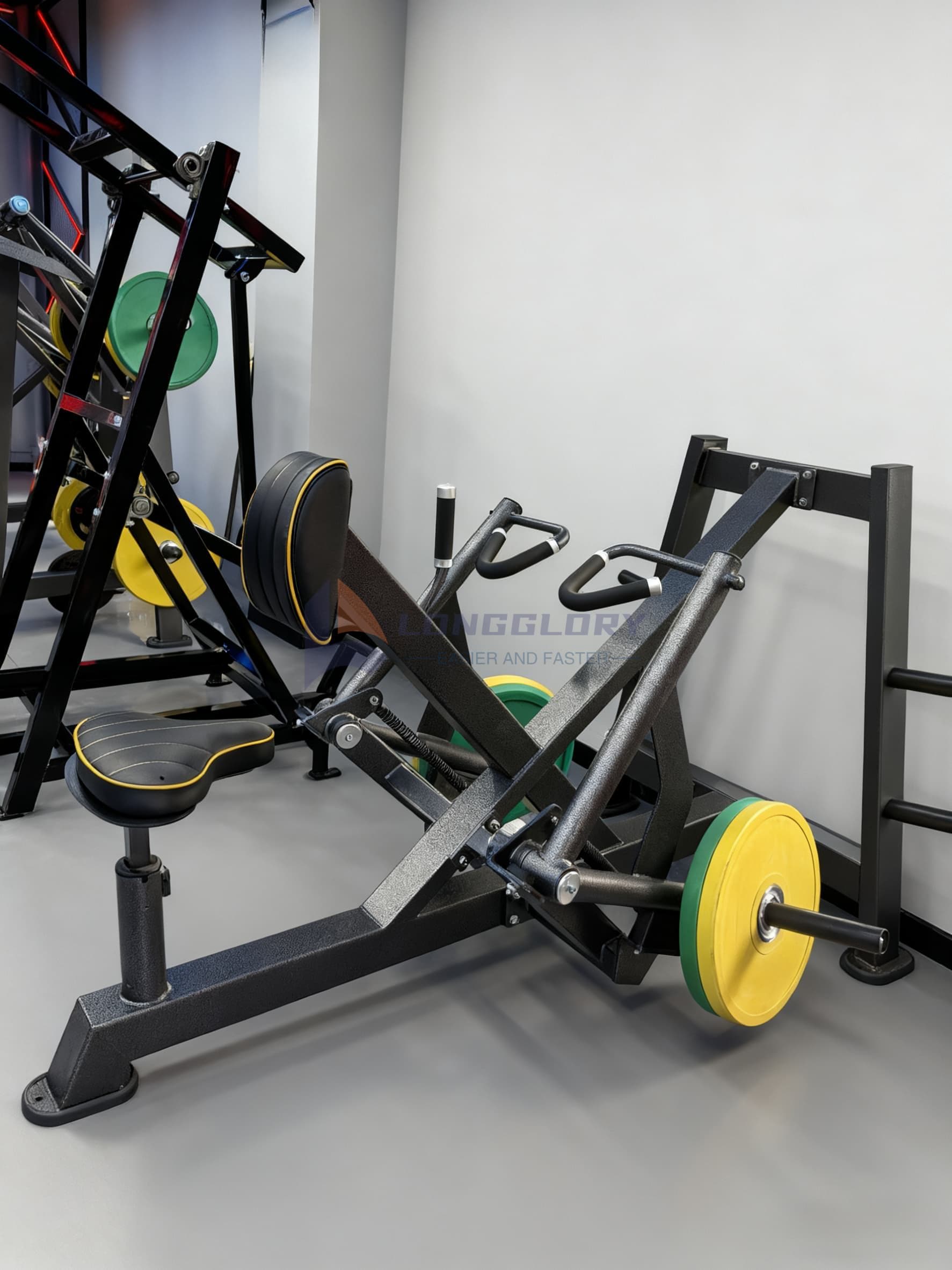
Primarily targets the latissimus dorsi while simultaneously enhancing rotator cuff stability and mid-back strength.
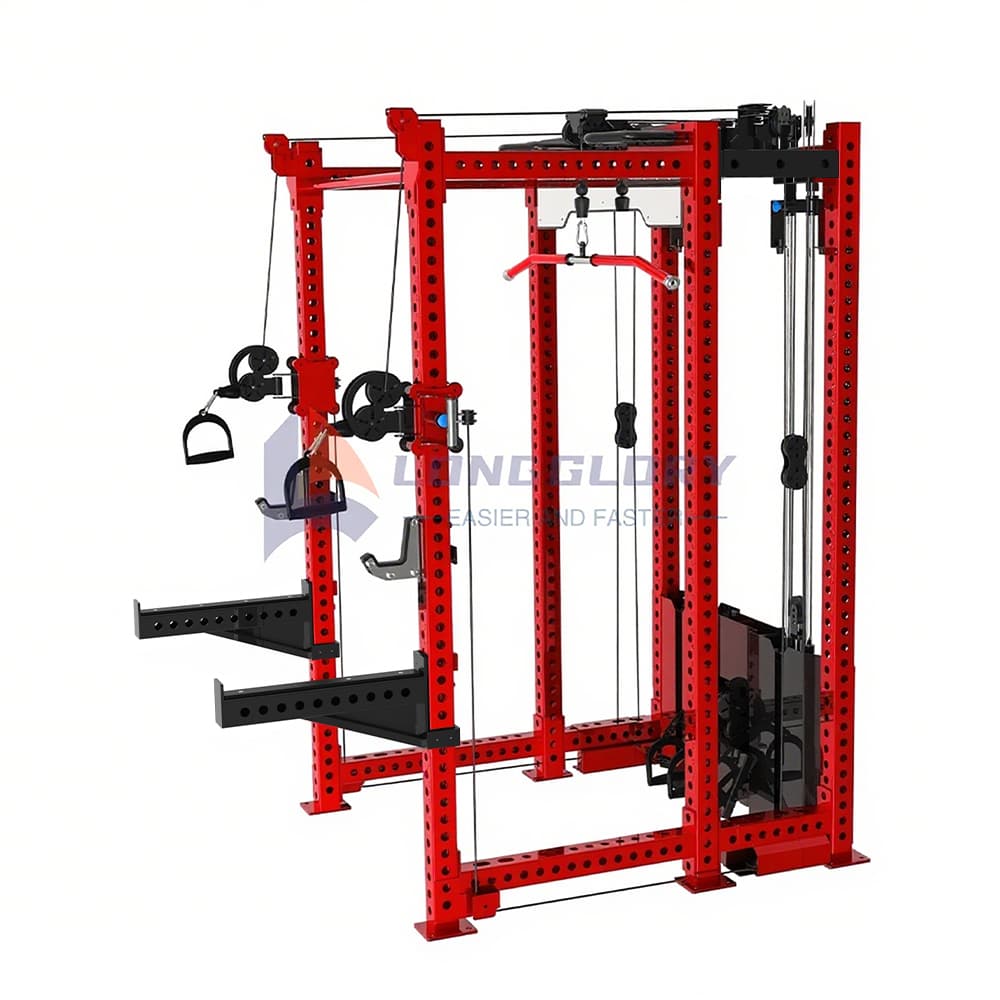
Adjust the pulleys to face height and use a double-ended rope attachment. Pull the rope toward your face while simultaneously pulling the ends outward to the sides; this is an excellent movement for correcting shoulder protraction and strengthening the posterior rotator cuff and upper back.
Smith Machine Squats:
Compared to barbell squats, this variation requires less body balance and makes it easier to maintain an upright torso, placing greater emphasis on the anterior core and gluteal engagement.
A quick note here: The "Big Three" (squats, bench press, deadlifts) are inherently excellent exercises. However, the challenge for beginners is that their bodies may not yet be in an ideal state to perform them with proper form; therefore, it is advisable to start with similar, lower-difficulty variations first.
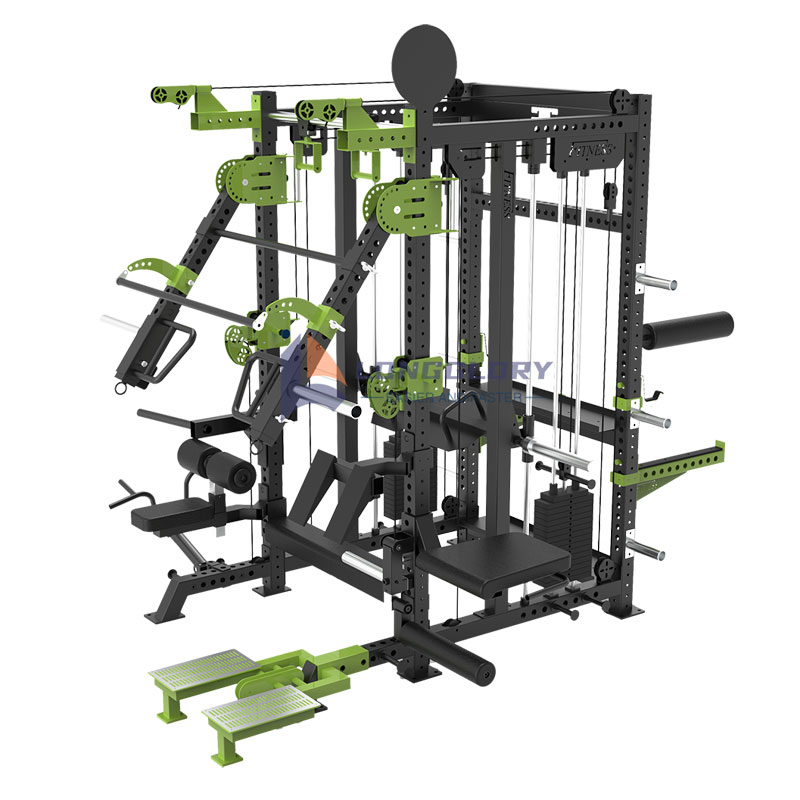
An excellent isolation exercise for glute training, involving minimal contribution from the leg muscles.
Helps correct anterior pelvic tilt (by strengthening the glutes and hamstrings) and posterior pelvic tilt (by strengthening the glutes), effectively activating the gluteus maximus while guiding the pelvis back to a neutral position.
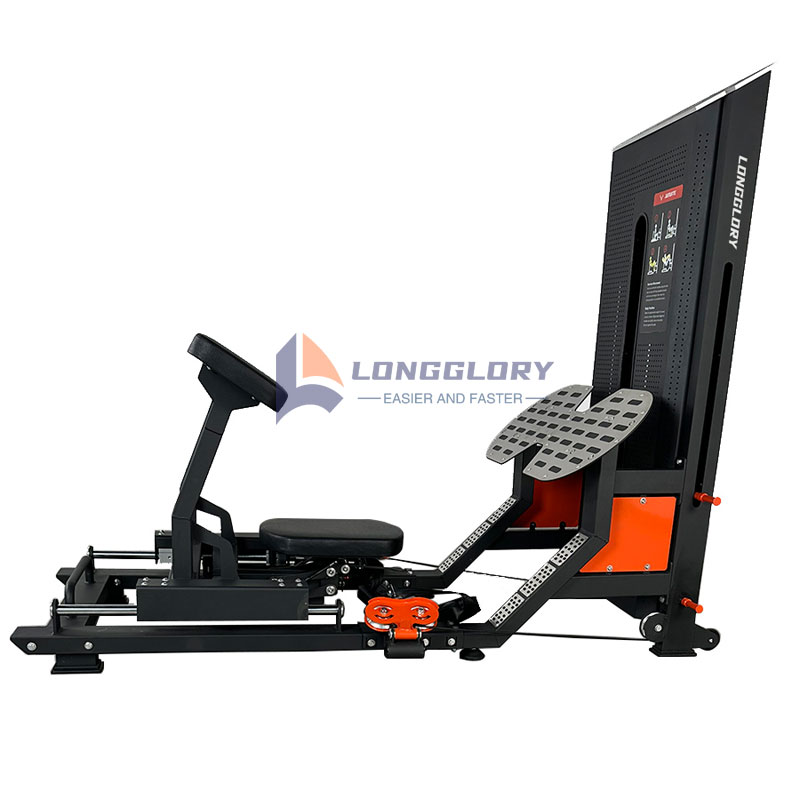
Specifically isolates and strengthens the hamstrings (muscles on the back of the thigh), improves strength at the glute-hamstring tie-in, helps correct tendencies toward posterior pelvic tilt, and provides stronger support for the knee joints.
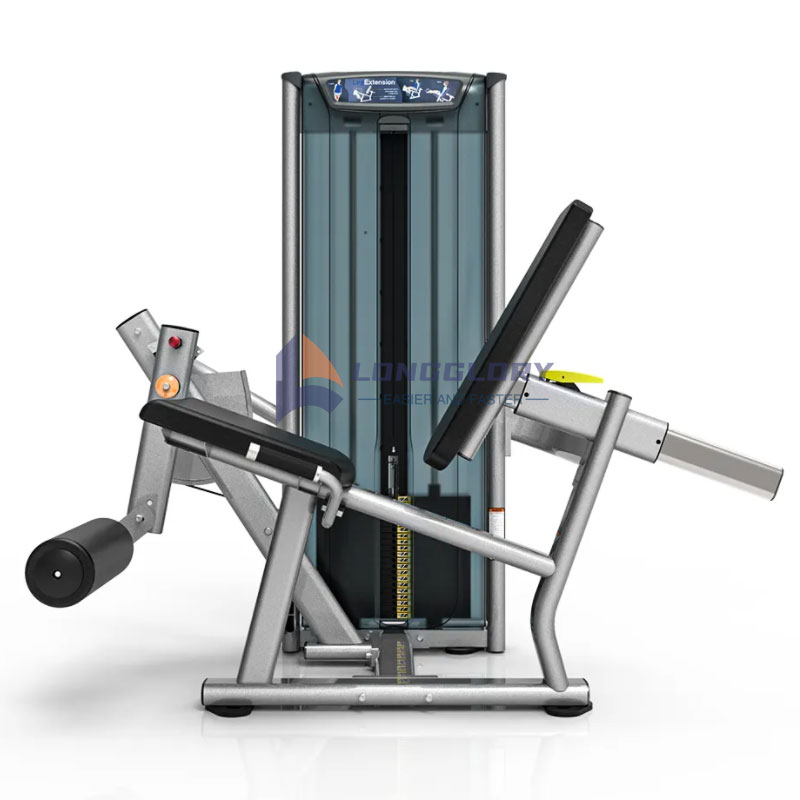
Focuses on training the quadriceps (muscles on the front of the thigh) and enhances knee stability. When used in conjunction with the leg curl machine, these two exercises effectively balance the muscular strength between the front and back of the thighs, creating a natural "armor" that protects the knees.
Key Takeaways & Recommendations: Quality of Movement > Weight. Improving posture is not about lifting heavy weights, but rather about precisely stimulating the target muscle groups. You must master the correct form! Prioritize proper technique and controlled movement—even if it means using lighter weights or moving more slowly. Symmetrical Training: Do not limit your training to only the muscles visible in the mirror (chest, arms, front abs). The back, glutes, and core are the true keys to good posture. Follow the "Push-Pull Balance" principle to maintain symmetrical muscular tension throughout your body. Progressive Overload: Begin with lighter weights and lower intensity; once proper form is mastered, gradually increase the weight to stimulate comprehensive muscle growth. Warm-up and Stretching: Stretch and relax your target muscles both before and after your workout to maintain joint mobility and muscle elasticity. Fitness Cycle: Postural issues are the result of long-term accumulation, and their correction likewise requires time. By adhering to a consistent training regimen (2–3 strength training sessions per week) and making necessary lifestyle adjustments, results will gradually become apparent.