- English
- Español
- Português
- русский
- Français
- 日本語
- Deutsch
- tiếng Việt
- Italiano
- Nederlands
- ภาษาไทย
- Polski
- 한국어
- Svenska
- magyar
- Malay
- বাংলা ভাষার
- Dansk
- Suomi
- हिन्दी
- Pilipino
- Türkçe
- Gaeilge
- العربية
- Indonesia
- Norsk
- تمل
- český
- ελληνικά
- український
- Javanese
- فارسی
- தமிழ்
- తెలుగు
- नेपाली
- Burmese
- български
- ລາວ
- Latine
- Қазақша
- Euskal
- Azərbaycan
- Slovenský jazyk
- Македонски
- Lietuvos
- Eesti Keel
- Română
- Slovenski
- मराठी
- Srpski језик
How to Determine if a Machine is Suitable for Frequent Use?
A single piece of equipment in a gym may be used by dozens or even hundreds of people daily.
After a few months, it may start to loosen, rust, become noisy, or even break down—this is the worst-case scenario for gyms.
So how do you determine if a piece of equipment is suitable for frequent use?
Criteria for Judging Strength Equipment
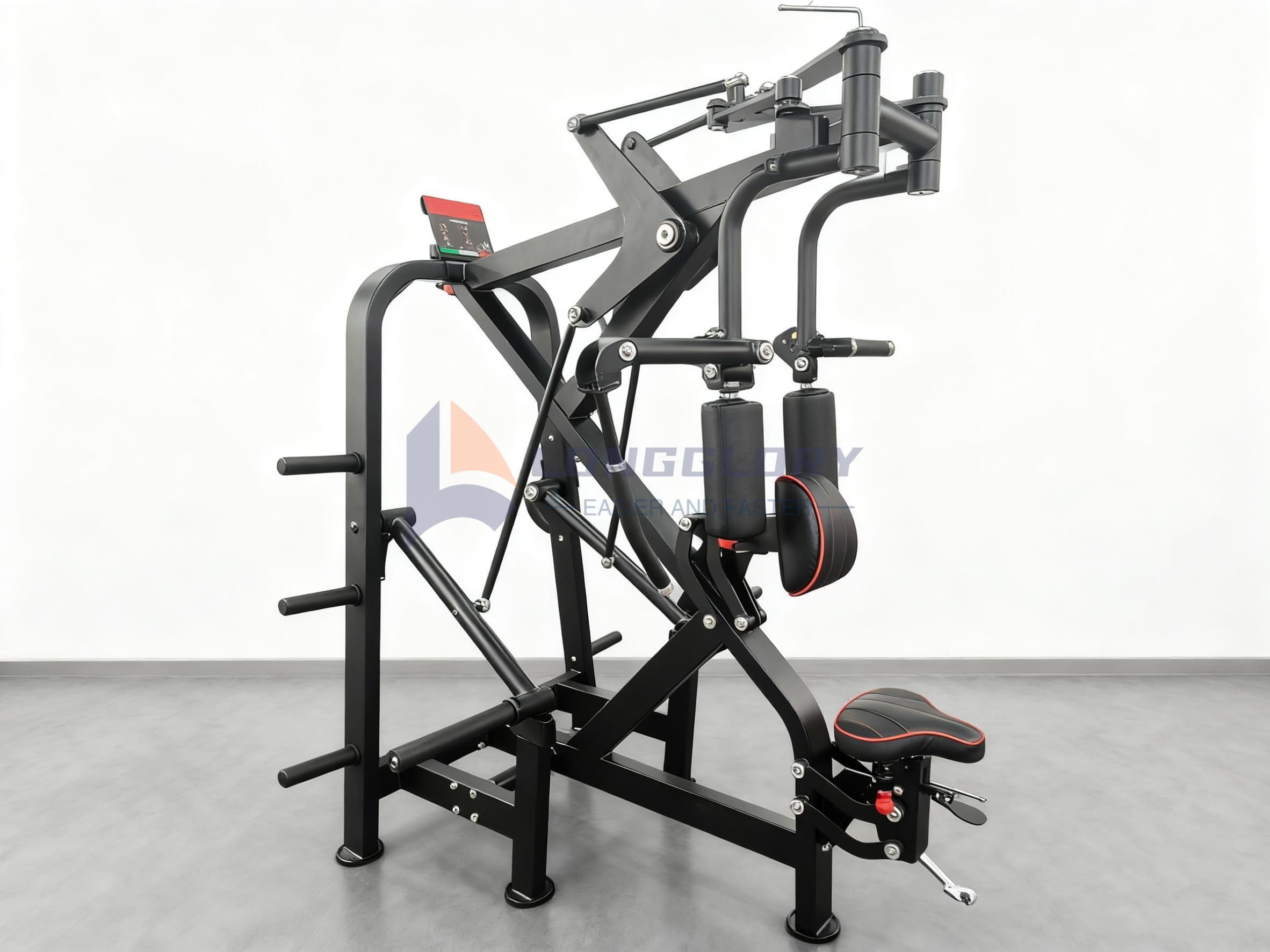
I. Check Structural Stability
Is the thickness of the steel and the strength of the welding process? Does the frame feel wobbly?
II. Check Load-Bearing Capacity and Trajectory Design
Is the load-bearing standard significantly higher than the needs of ordinary users? Does the movement trajectory conform to ergonomics, reducing wear and tear and accidental injuries?
III. Check the Durability of Accessories and Wear Components
Are the pulleys, cables, and bearings made of high-strength materials? Does it support quick replacement of wear components to avoid "stopping"?
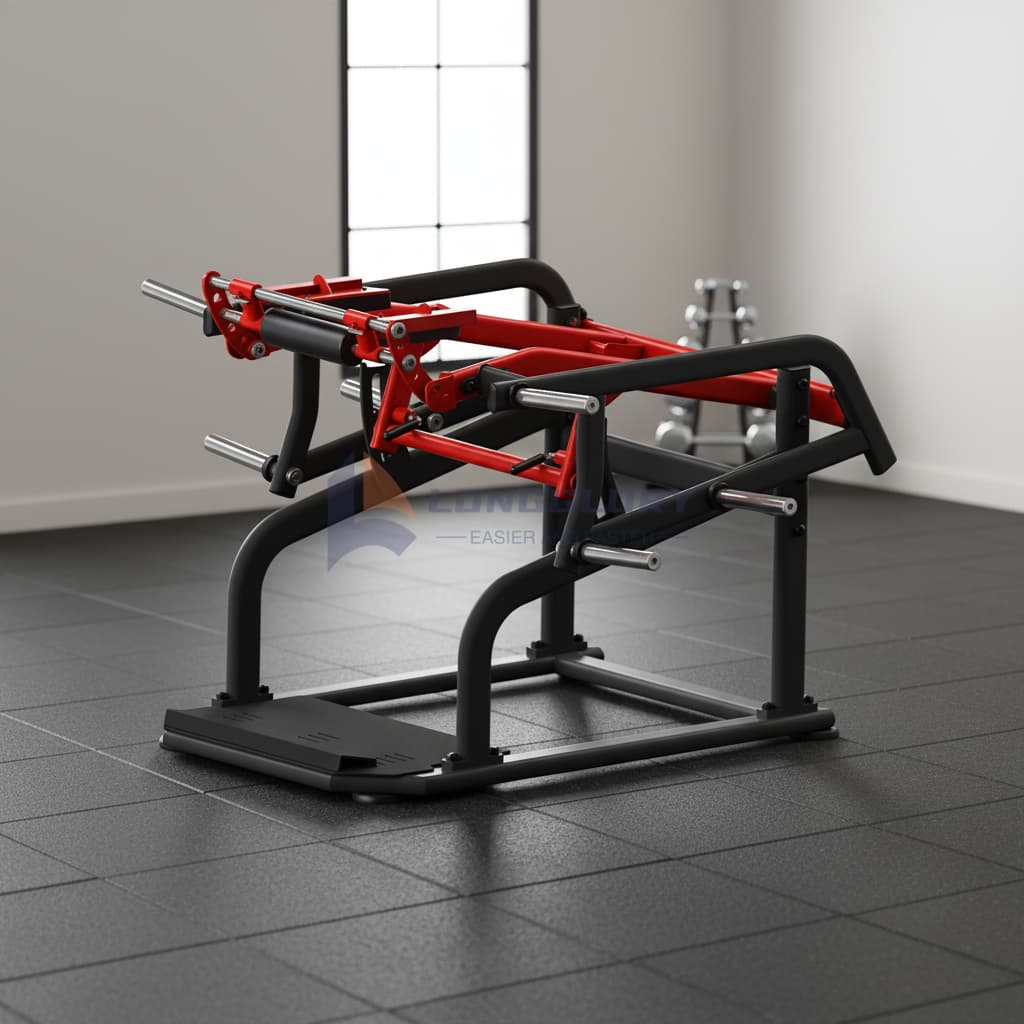
IV. Ease of Adjustment
Are the seat/armrest adjustments smooth and easy to operate? In high-frequency use scenarios, complex adjustments can lead to congestion and wear.
V. Safety Design
Safety is paramount under high-frequency use.
Criteria for Judging Aerobic Equipment:
I. Motor/Drive Core Performance:
Horsepower (continuous horsepower is more important than peak horsepower). Can it support prolonged high-power operation?
II. Weight Capacity:
Can it cover heavier users (≥150kg is safer). The shock absorption performance of the frame and treadmill.
III. Continuous Operation Capability:
Does it have a commercial-grade cooling and heat dissipation system? Is it stable during continuous operation for 8-12 hours a day?
IV. Operation and Program Design:
The control panel should be wear-resistant and durable. Programs should be easy to switch between quickly, reducing waiting time during peak hours.
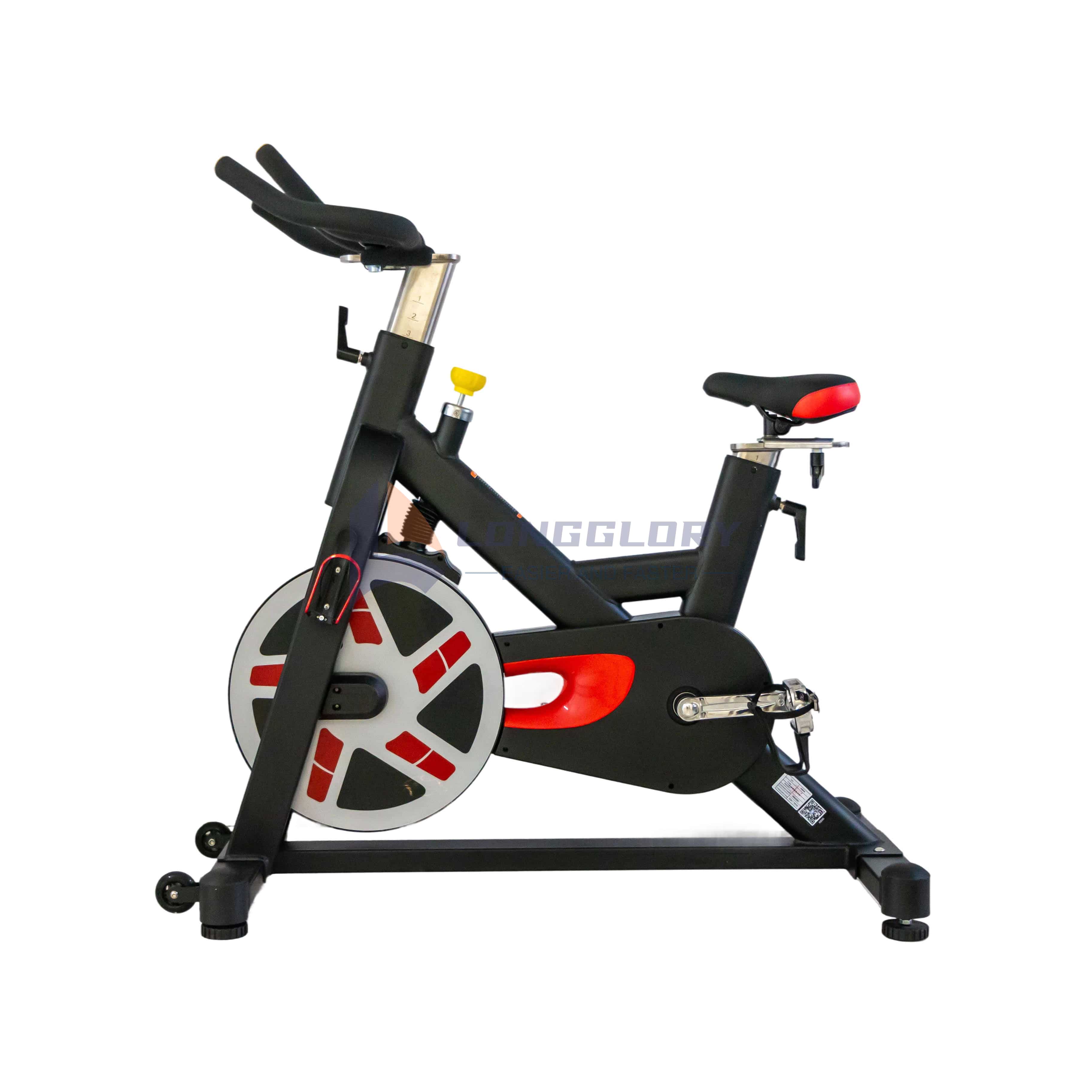
V. Maintenance Convenience:
How long is the parts replacement cycle? Does it have intelligent diagnostic/self-test functions?
Summary:
For strength training equipment, focus on: frame stability, weight-bearing trajectory, easily damaged parts, and safety.
For aerobic equipment, focus on: core motor/drive capability, weight-bearing shock absorption, and long-term operational stability.
The high-frequency use environment of a gym tests not only the hardware quality of the equipment but also its design logic. To put it simply, equipment truly suitable for commercial use must score highly in all four dimensions: durability, stability, safety, and ease of maintenance.