- English
- Español
- Português
- русский
- Français
- 日本語
- Deutsch
- tiếng Việt
- Italiano
- Nederlands
- ภาษาไทย
- Polski
- 한국어
- Svenska
- magyar
- Malay
- বাংলা ভাষার
- Dansk
- Suomi
- हिन्दी
- Pilipino
- Türkçe
- Gaeilge
- العربية
- Indonesia
- Norsk
- تمل
- český
- ελληνικά
- український
- Javanese
- فارسی
- தமிழ்
- తెలుగు
- नेपाली
- Burmese
- български
- ລາວ
- Latine
- Қазақша
- Euskal
- Azərbaycan
- Slovenský jazyk
- Македонски
- Lietuvos
- Eesti Keel
- Română
- Slovenski
- मराठी
- Srpski језик
What are the essential differences between commercial and home fitness equipment?
I. Structural Strength: One is for personal daily use, the other for high-frequency use by multiple people.
Home equipment: Designed for single users, with a design life of approximately 30 minutes of daily use and a lifespan of 3-5 years.
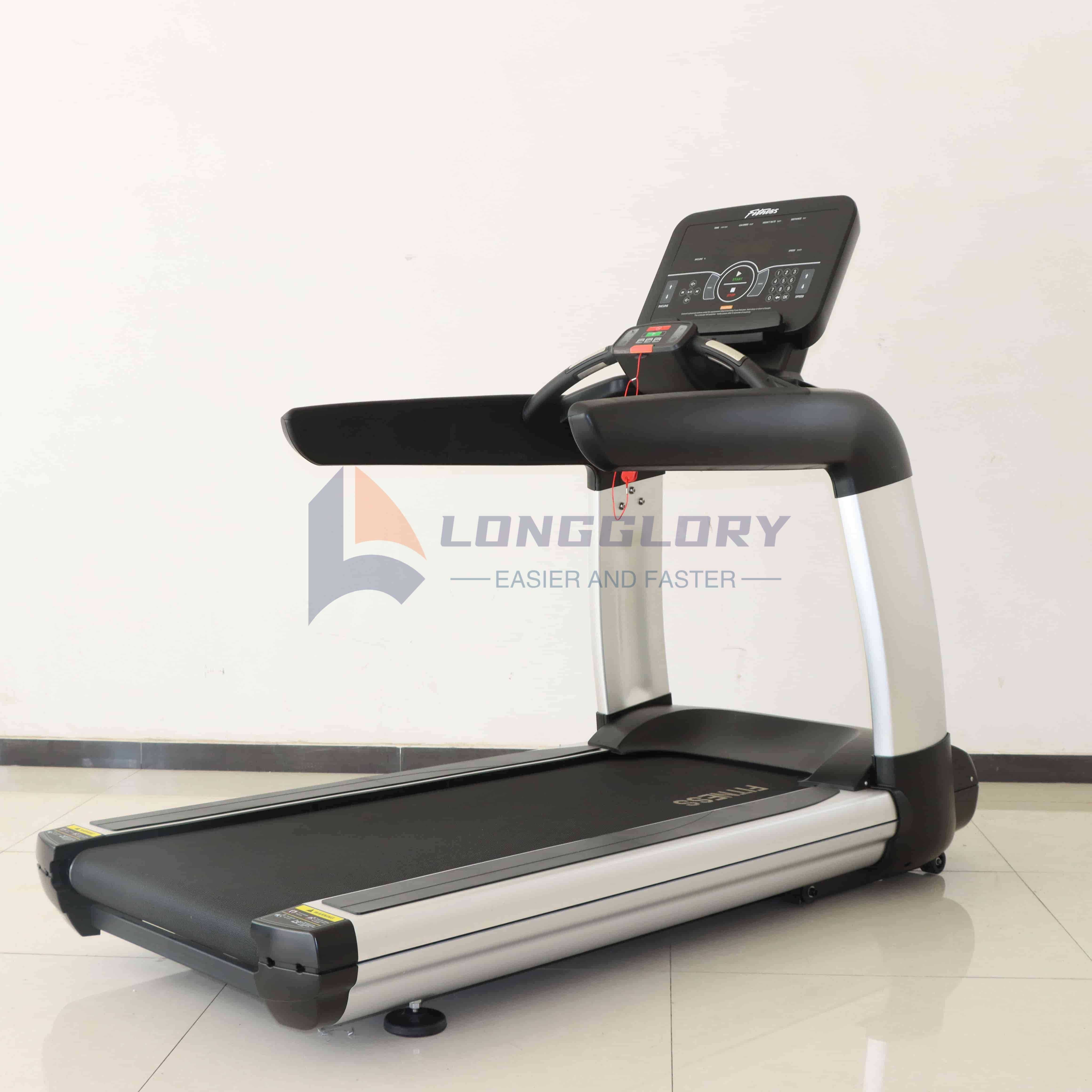
Commercial equipment: Designed for high-frequency use by multiple people, with a design life of 10+ hours of continuous daily operation and a lifespan of 5-10 years. Commercial products generally use high-strength carbon steel structures, high-power motors, and industrial-grade roller bearings, enabling stable output during peak hours and preventing damage due to overheating or fatigue.
For example: A home treadmill motor might be DC 1.5HP, while the standard for commercial treadmills starts at AC 3.0HP – the difference is significant.
II. System and Functionality: One prioritizes simplicity, the other requires management.
Home equipment usually only needs to meet the requirements of "running and speed adjustment," or perhaps "incline adjustment," simple and sufficient.
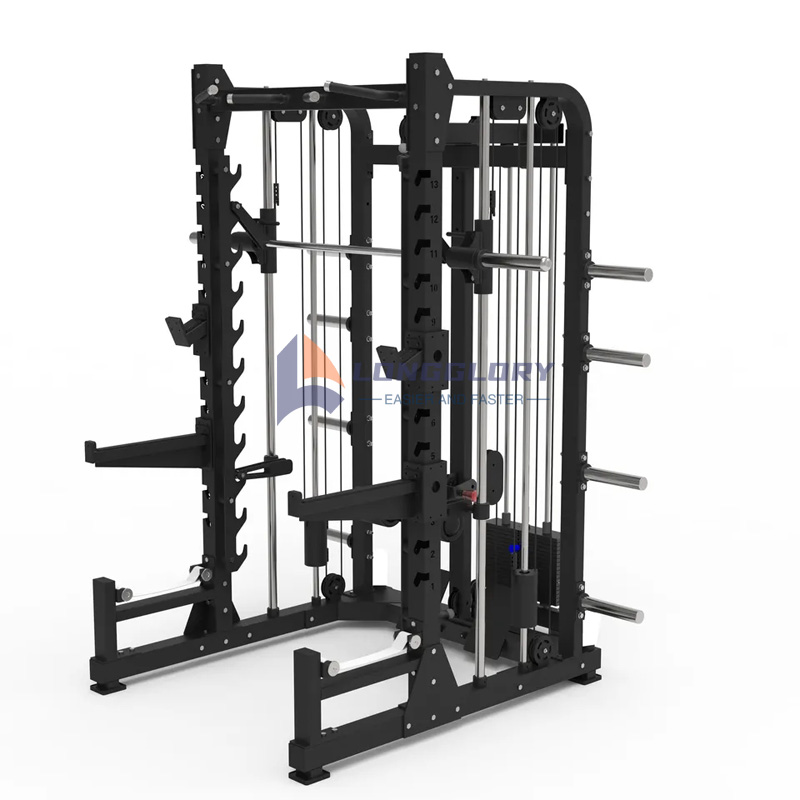
Commercial equipment, however, must meet the diverse needs of members: multiple training modes, body composition feedback, member management systems, screen interaction experience, etc.
III. After-sales Service and Lifespan: One type of equipment is replaced when broken, while the other must be repaired.
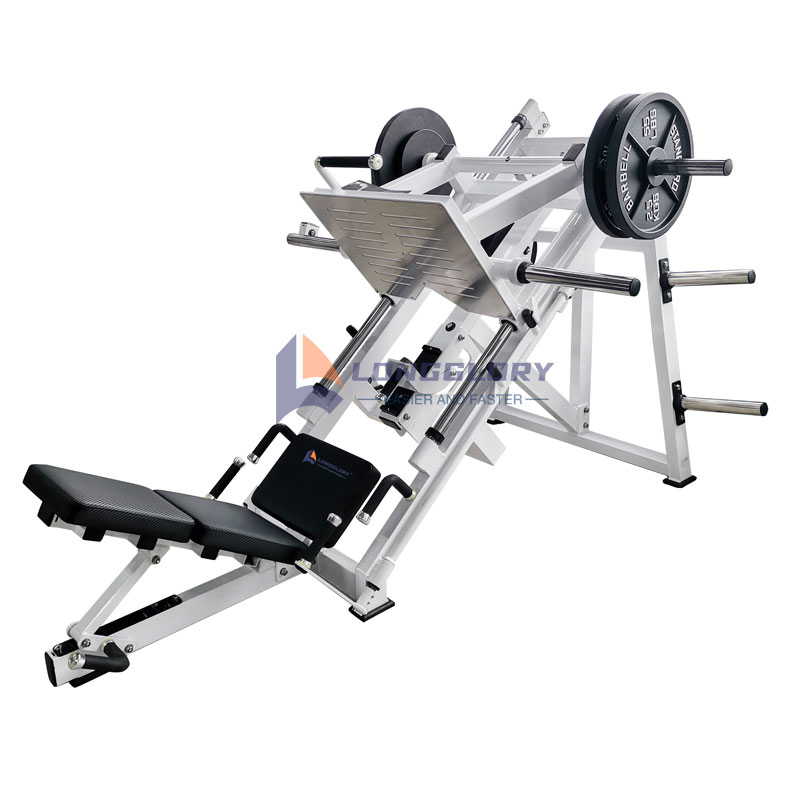
When home equipment malfunctions, most people choose to replace it with a new one; however, for commercial equipment, the following points must be considered:
1. Are spare parts available?
2. Can repair requests be responded to quickly?
3. Can regular maintenance be performed?