- English
- Español
- Português
- русский
- Français
- 日本語
- Deutsch
- tiếng Việt
- Italiano
- Nederlands
- ภาษาไทย
- Polski
- 한국어
- Svenska
- magyar
- Malay
- বাংলা ভাষার
- Dansk
- Suomi
- हिन्दी
- Pilipino
- Türkçe
- Gaeilge
- العربية
- Indonesia
- Norsk
- تمل
- český
- ελληνικά
- український
- Javanese
- فارسی
- தமிழ்
- తెలుగు
- नेपाली
- Burmese
- български
- ລາວ
- Latine
- Қазақша
- Euskal
- Azərbaycan
- Slovenský jazyk
- Македонски
- Lietuvos
- Eesti Keel
- Română
- Slovenski
- मराठी
- Srpski језик
Goal-Oriented Training Checklist for Sedentary Individuals
Stop stretching based on feeling alone: A goal-oriented training checklist for sedentary individuals.
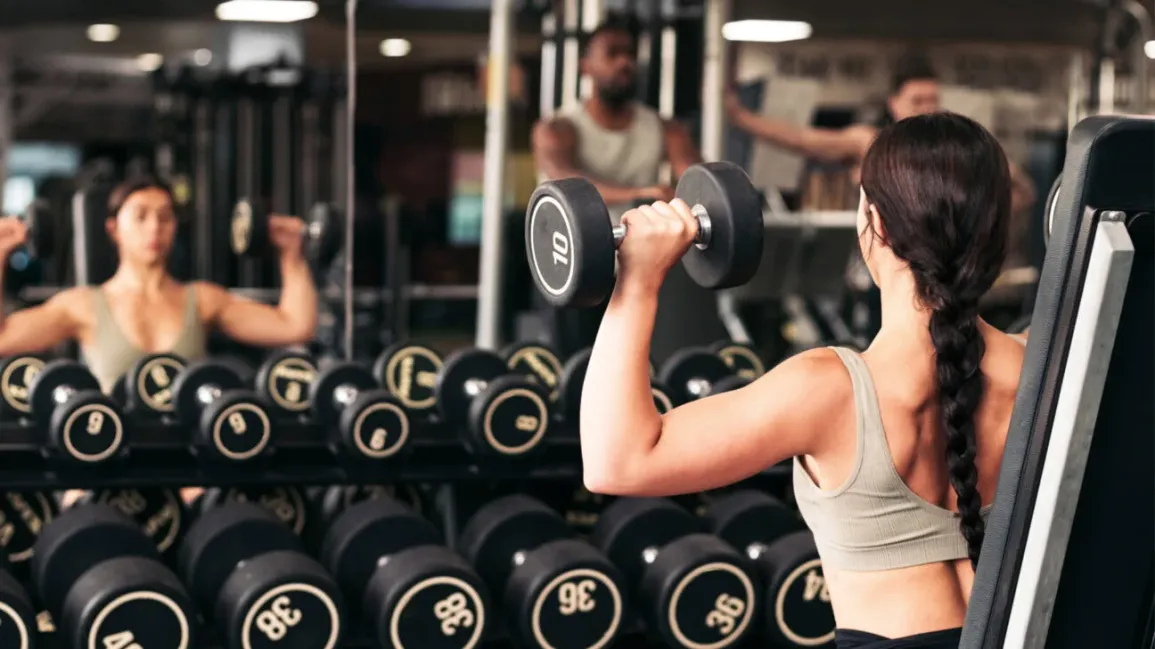
I. The Chain Reaction Caused by Prolonged Sitting
1) Posture and Spine
Prolonged screen time and slouching cause the cervical spine to shift forward and its natural curvature to flatten, leading to rounded shoulders and hunchback. Typical symptoms include neck and shoulder stiffness and occasional upper limb numbness; prolonged pressure on the lumbar spine can also induce herniated discs and lumbar muscle strain.
2) Circulation and Cardiovascular System
Lower limb muscles are almost "inactive," hindering venous return and easily leading to problems such as heavy legs and superficial varicose veins; in the long term, cardiovascular risks increase.
3) Metabolism and Digestion
Reduced activity slows down gastrointestinal motility, making indigestion, constipation, and hemorrhoids more common; overall metabolic rate decreases, and abdominal fat is more easily accumulated.
4) Muscles and Function
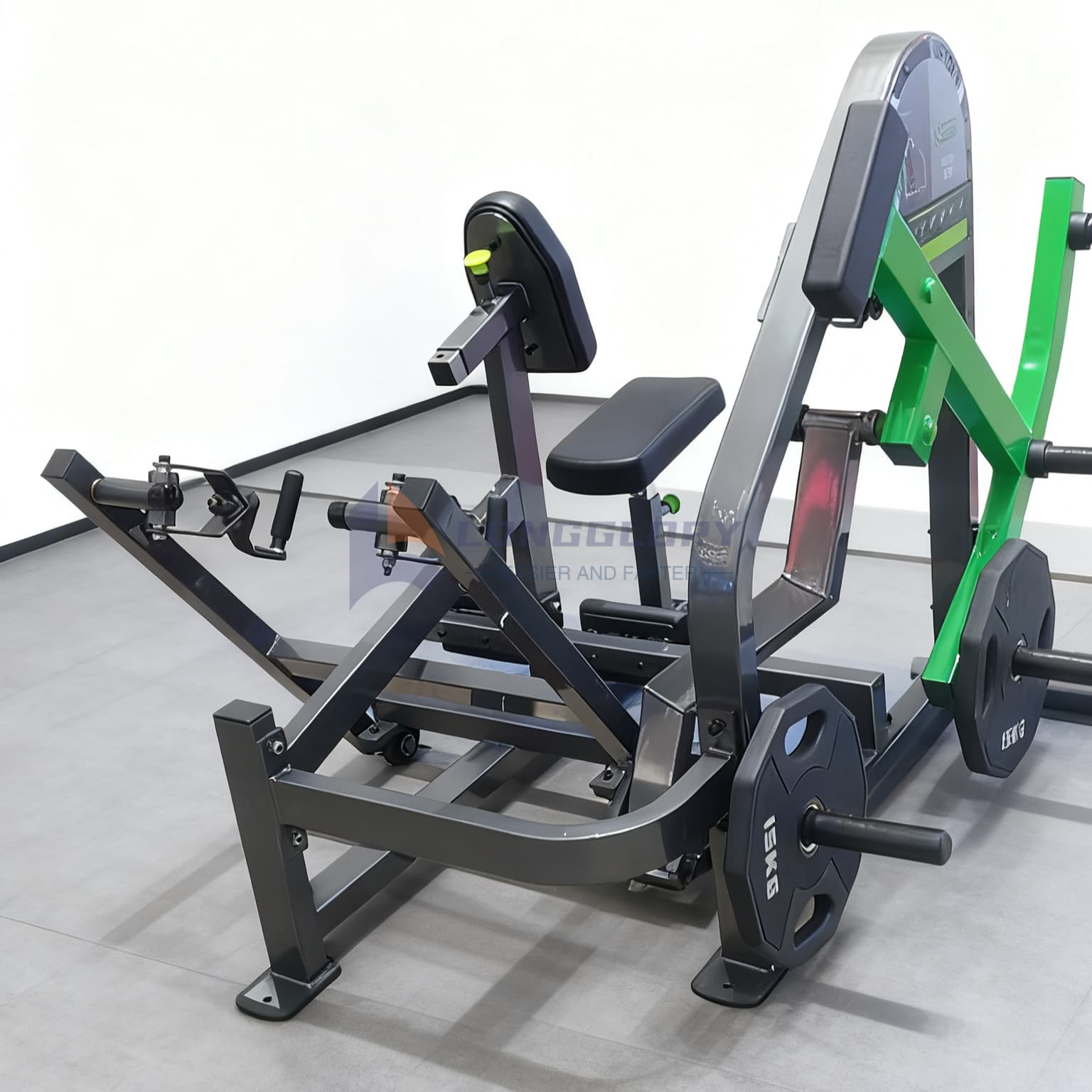
Key muscle groups (glutes, back, core) gradually "degrade," leading to decreased strength and endurance, further impacting basal metabolism and creating a vicious cycle.
5) Emotions and Psychology
Prolonged sitting reduces the endorphin and dopamine "rewards" from exercise, affecting attention and mood, and reducing work efficiency and happiness.
II. Training Goals for Sedentary Individuals
Relieve high-tension areas: neck, shoulders, thoracic spine, and anterior hip. Restore joint mobility: thoracic spine extension, scapular control, and hip extension. Enhance cardiopulmonary function: "wake up" the heart rate in the most time-efficient way. Rebuild the strength chain: prioritize the back, glutes, and core.
III. How to Train: Three Modules
① Aerobic Exercise (Awakening the cardiopulmonary system and large muscle groups)
Brisk walking, jogging, climbing stairs, jumping rope; if conditions permit, use a rowing machine/elliptical trainer/treadmill.
② Strength Training (Prioritize back, glutes, and core, avoid developing rounded shoulders)
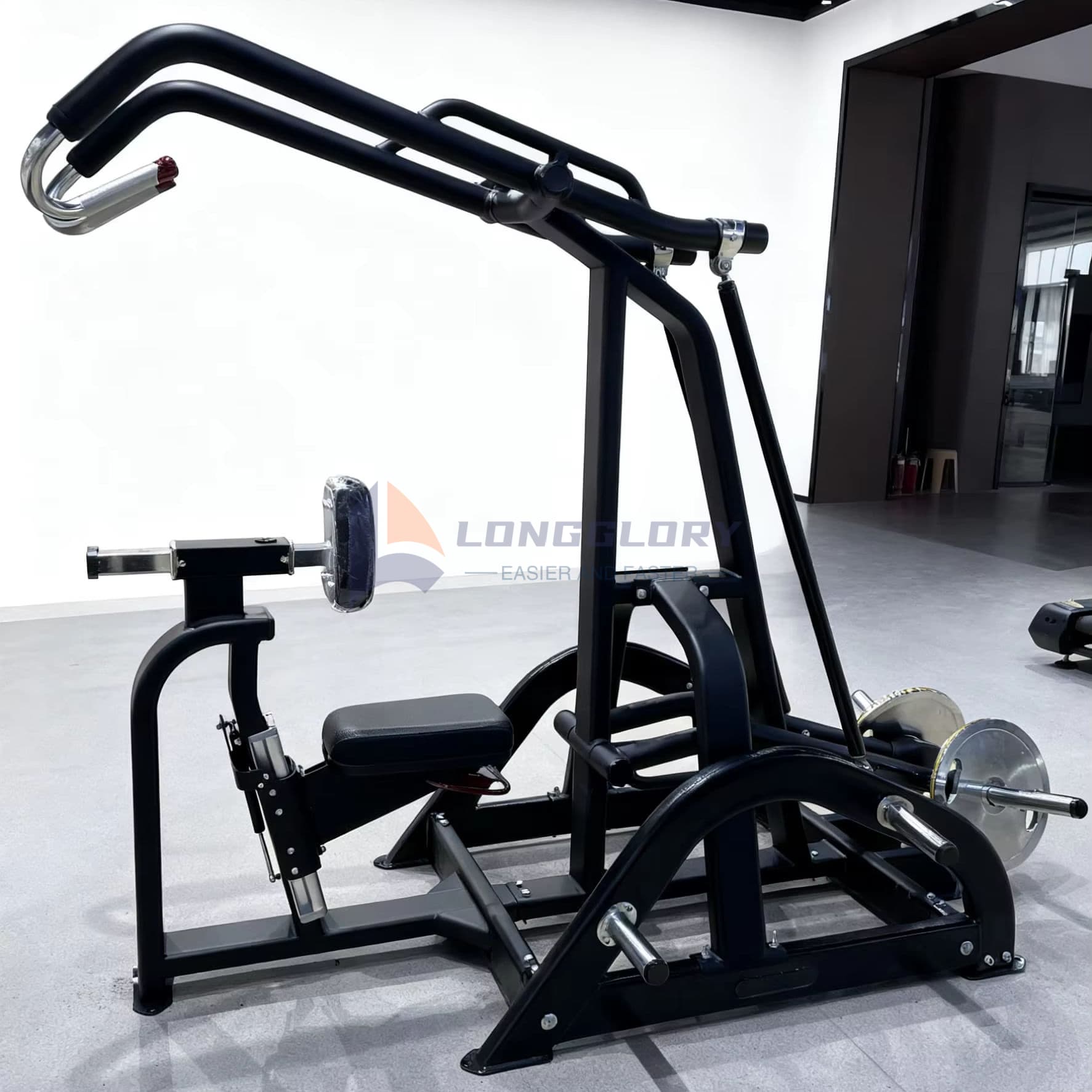
Leg raises on a chair (quadriceps), water bottle curls (biceps), plank (core endurance), seated rowing (fixed strength training equipment)
High-pulley lat pulldowns (avoid shrugging shoulders, keep elbows close to the sides), glute bridge/Smith machine/Romanian deadlifts (allow hips to lead the extension and reduce pressure on the lower back)
③ Flexibility (Relax tight muscles, mobilize stiff joints) Neck
Lateral flexion, nodding forward and backward, head pull-backs, chest stretch using a door frame, seated torso twists, lunge position hip flexor stretch, eccentric stretching of hamstrings/quadriceps/calves, specifically designed to counteract prolonged sitting.
IV. How to Progress:
1) Short-term (Adjust weekly): If experiencing soreness or fatigue initially, reduce intensity or duration, but maintain frequency. When the last two repetitions are still easy, increase the load by 5-10% in the next session (choose one of speed/repetitions/weight).
2) Medium-term (Evaluate monthly): When cardiovascular fitness improves significantly (e.g., faster heart rate recovery in the step test), switch from steady-state running to interval running. When strength exercises are "stable enough," add unilateral exercises/heavier loads. After improved range of motion, moderately increase the stretching range, don't increase the difficulty all at once.
3) Long-term (3-6 months): Add new modules such as yoga, swimming, and rowing machine intervals for interest and challenge. If possible, have a professional coach evaluate your movements and provide specialized strengthening exercises.
V. Common Misconceptions
Only stretching, no strength training: It's difficult to truly change posture.
Too much chest training, too little back training: Rounded shoulders become more pronounced; those who sit for long periods should prioritize back training over chest training.
Occasional intense workouts, long periods of inactivity: High-frequency, low-intensity workouts are worse than sporadic intense training.
Previous:No News