- English
- Español
- Português
- русский
- Français
- 日本語
- Deutsch
- tiếng Việt
- Italiano
- Nederlands
- ภาษาไทย
- Polski
- 한국어
- Svenska
- magyar
- Malay
- বাংলা ভাষার
- Dansk
- Suomi
- हिन्दी
- Pilipino
- Türkçe
- Gaeilge
- العربية
- Indonesia
- Norsk
- تمل
- český
- ελληνικά
- український
- Javanese
- فارسی
- தமிழ்
- తెలుగు
- नेपाली
- Burmese
- български
- ລາວ
- Latine
- Қазақша
- Euskal
- Azərbaycan
- Slovenský jazyk
- Македонски
- Lietuvos
- Eesti Keel
- Română
- Slovenski
- मराठी
- Srpski језик
Fitness Equipment Guide – Back Training Edition
The back musculature is one of the largest muscle groups in the human body! It is also one of the most intricate groups, comprising muscles such as the trapezius, teres major and minor, rhomboids (major and minor), latissimus dorsi, erector spinae, and others. Possessing a strong back not only improves posture, making you stand taller and more upright, but also enhances overall body stability and balance. In the gym, numerous machines are available to assist us in training our back muscles; these generally fall into two main categories: Pulldowns and Rows.
I. Pulldown Exercises
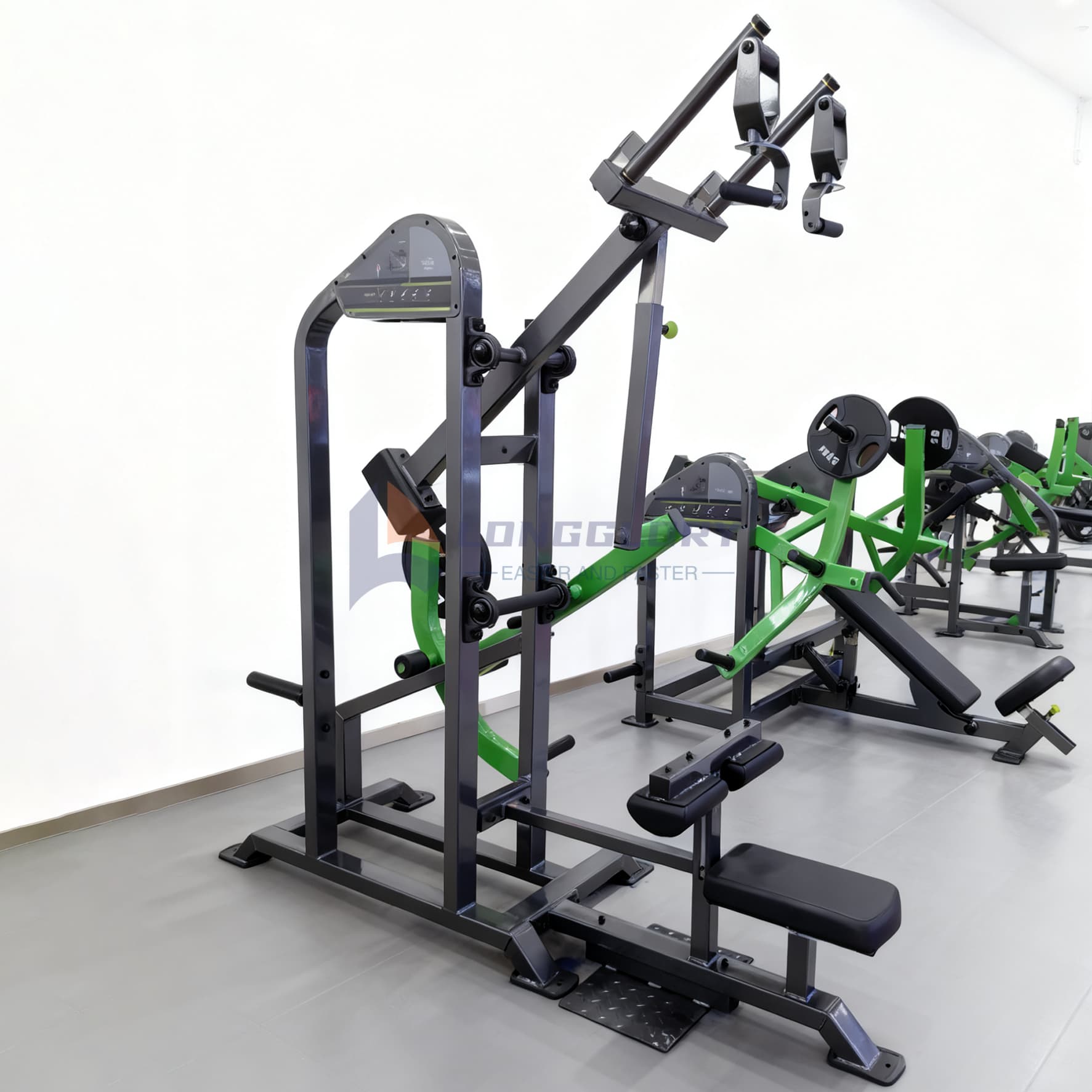
1. Lat Pulldown
Target Muscles: Latissimus dorsi, teres major, teres minor, infraspinatus, posterior deltoids, trapezius, and rhomboids (major and minor).
Execution Cues:
(1) Inhale as you engage your latissimus dorsi (lats); vertically pull the bar down from an overhead position toward your chest. Squeeze your shoulder blades together to fully contract your lats. Pause briefly (2–3 seconds) at the bottom for a peak contraction.
(2) Exhale as you perform a controlled return movement, allowing your lats to extend back along the original path until they reach a full stretch. Note: When fully extending your arms at the top of the movement, maintain an upright torso and a slight arch in your back. Throughout the entire exercise, keep your chest lifted and your core engaged. Pull your elbows down and back as far as possible until the bar touches your upper chest.
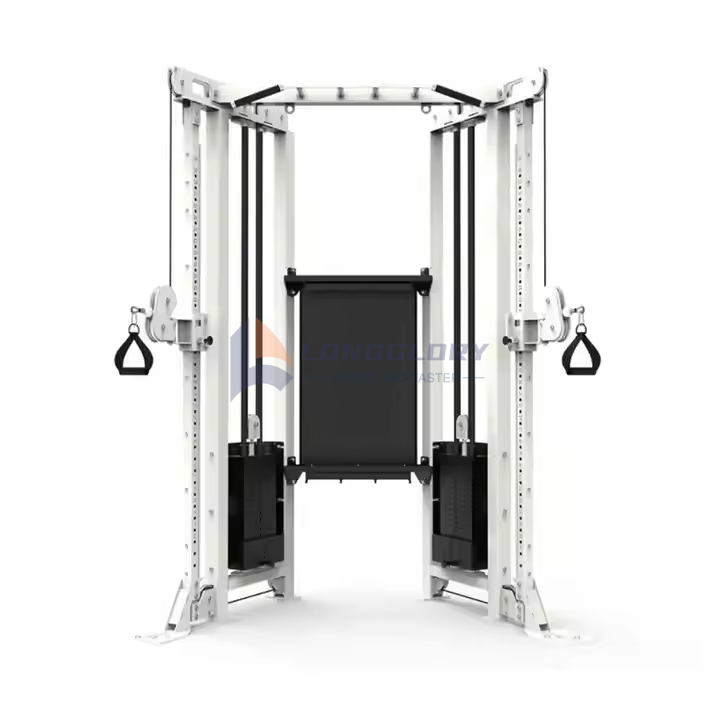
2. Cable Crossover Machine (for Back Exercises)
(1) Straight-Arm Pulldown
Begin by leaning forward slightly with your knees slightly bent. Move your entire arms simultaneously while keeping your wrists in a neutral position. This is a downward-pulling motion. For stability, position your feet shoulder-width apart. Maintain a lifted chest posture. Position the cables at an appropriate height (typically above head level). Pull downward, moving your entire arms as a unit. Keep your wrists neutral. Maintain an upright chest; exhale as you pull down, and inhale as you return to the starting position. The Straight-Arm Pulldown provides a particularly strong stimulus to the latissimus dorsi muscles.
Execution Cues:
1. Adjust the cable height to approximately chest level. Attach the rope handle attachment. Extend your arms fully, grasp the rope with a neutral grip (palms facing each other), and take one step back to create tension in the cable. Once you have established a stable stance, slightly bend your knees; this serves as your starting position.
2. Following the previous step, retract your shoulder blades. Then, engage your upper back muscles to pull your hands toward your face, continuing until your upper arms are parallel to the floor. At this point, the cable should be positioned directly in front of your eyes. 3. When returning the weight to the starting position, pay close attention: allow your shoulder blades to extend forward, then slowly straighten your arms while maintaining muscular tension. Use your shoulder blades to control the movement and resistance; do not simply let go or release the tension abruptly, as this increases the risk of injury. This exercise deeply stimulates the posterior deltoids and the upper back musculature. It is highly effective for improving high-pulling strength, which is crucial for pushing and pulling movements.
II. Rowing Exercises
Execution Cues:
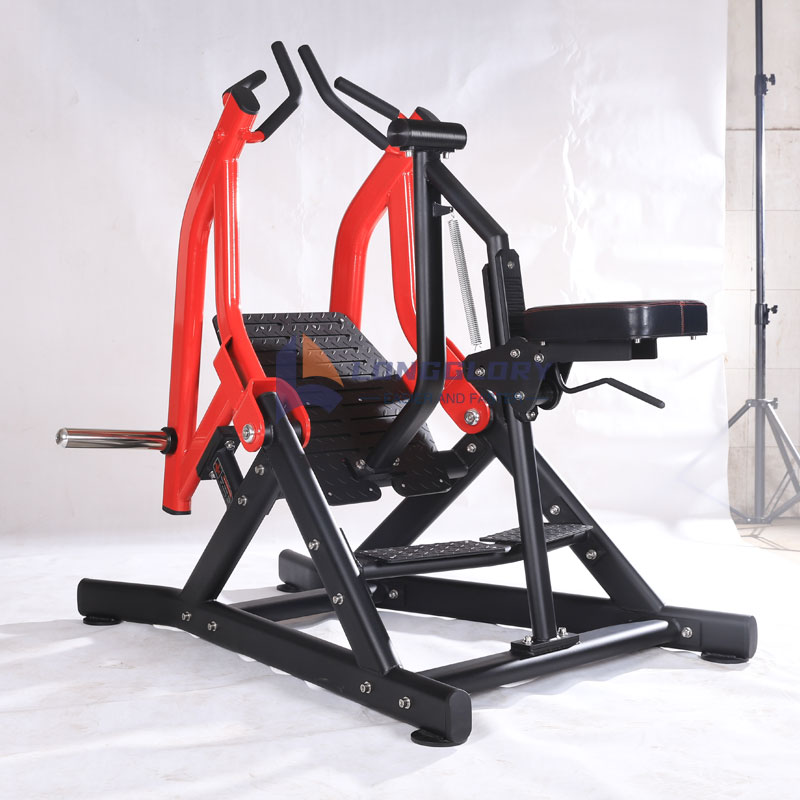
(1) Lean forward slightly; sit on the seat pad of the rowing machine, grasp the handles with both hands, and secure your feet firmly against the footrests. Regulate your breathing.
(2) Exhale as you pull the handles toward you, continuing until your legs are fully extended and your shoulder blades are completely retracted. Pause briefly, then return to the starting position while inhaling. Exhale again and repeat the movement. Muscles Targeted: Trapezius and Rhomboids.
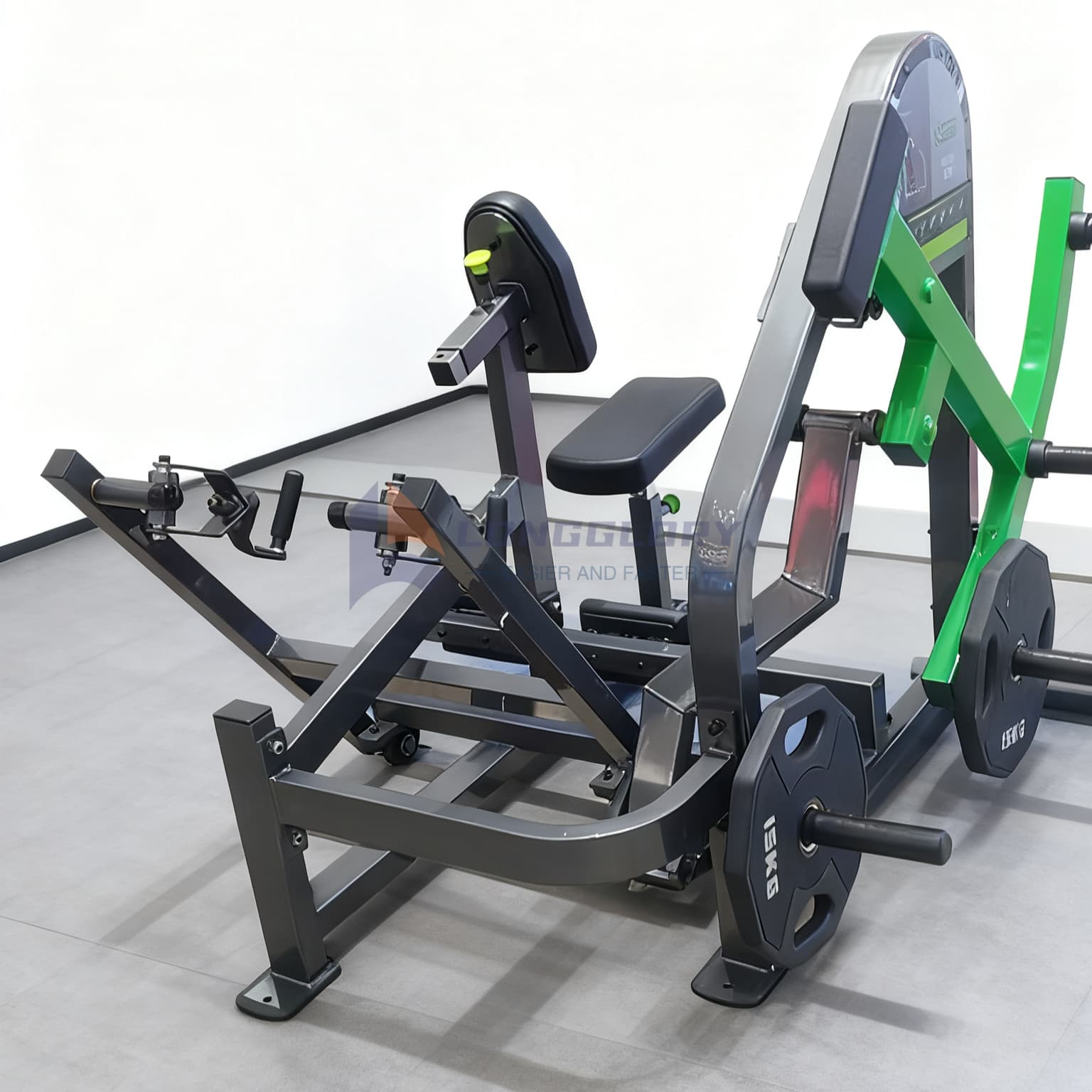
Execution Cues:
Begin by sitting on the rowing machine with your legs bent and your hands grasping the handle. Lean your torso forward slightly and brace your core. Initiate the movement by driving through your legs to extend them fully; use your arm strength to assist in pulling the handle, and engage your upper back muscles to drive the overall pulling motion. Finally, extend your arms forward, then simultaneously bend your legs to return to the starting position. Repeat the movement.
Note: Throughout the entire exercise, maintain tension throughout your body and focus on engaging your back muscles to generate the force.