- English
- Español
- Português
- русский
- Français
- 日本語
- Deutsch
- tiếng Việt
- Italiano
- Nederlands
- ภาษาไทย
- Polski
- 한국어
- Svenska
- magyar
- Malay
- বাংলা ভাষার
- Dansk
- Suomi
- हिन्दी
- Pilipino
- Türkçe
- Gaeilge
- العربية
- Indonesia
- Norsk
- تمل
- český
- ελληνικά
- український
- Javanese
- فارسی
- தமிழ்
- తెలుగు
- नेपाली
- Burmese
- български
- ລາວ
- Latine
- Қазақша
- Euskal
- Azərbaycan
- Slovenský jazyk
- Македонски
- Lietuvos
- Eesti Keel
- Română
- Slovenski
- मराठी
- Srpski језик
What is the appropriate incline for a treadmill? How should it be adjusted?
Many people, when they first start using a treadmill, may only know how to simply accelerate and decelerate, running forward without knowing about the other functions of the treadmill. Especially with today's advanced technology, smart treadmills have increasingly powerful features, and one of the most important is the incline adjustment, which is a function that greatly benefits runners.
What is incline?
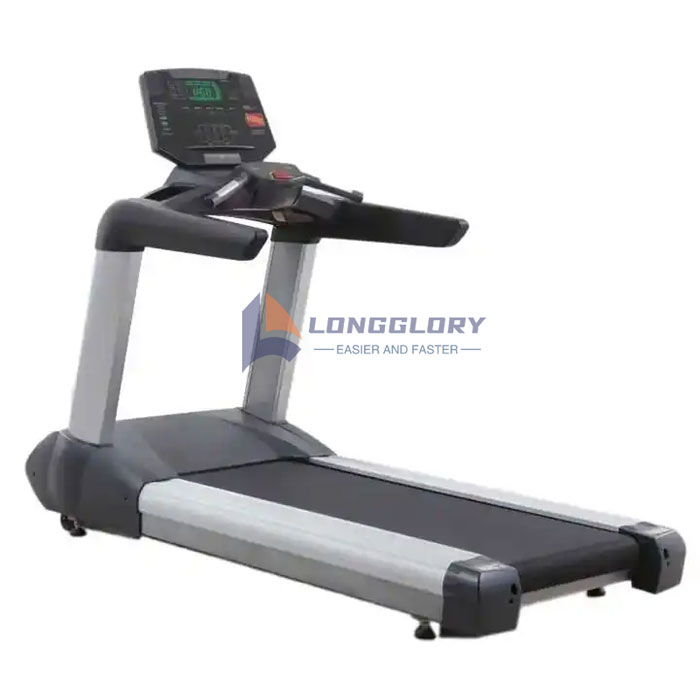
Incline refers to the degree of tilt of the treadmill, which can simulate uphill or downhill running conditions outdoors. Typically, the incline of a treadmill can range from 0 to 20%, meaning you can set the incline according to your needs and training goals.
Understanding the concept of incline percentage: The unit for incline adjustment on a treadmill is %, not degrees. Many people think that 0% means an incline of 0°, and 10% means an incline of 10°, but this understanding is actually incorrect. 10% means that when you adjust the treadmill incline to 10%, assuming you move forward 100 meters, your center of gravity rises by 10 meters. Similarly, 20% means 20 meters/100 meters. This is because in physics, the work you do climbing a slope is measured by the height your center of gravity rises, not the size of the slope itself.
What are the benefits of incline?
1. Activates more muscle groups
Under different incline conditions, the intensity of activity and the muscle groups exercised during running will differ. Exercising on a flat, level treadmill for a long time, maintaining the same posture for flat running, may lead to localized muscle fatigue, thus increasing the risk of sports injuries.
2. Hip and leg shaping: By adjusting the incline, you can target different leg muscle groups for specific exercises. A small incline helps to shape slender calf lines; while a large incline combined with low-speed movement is more conducive to shaping the thighs and buttocks, achieving ideal hip and leg shaping and strength training effects.
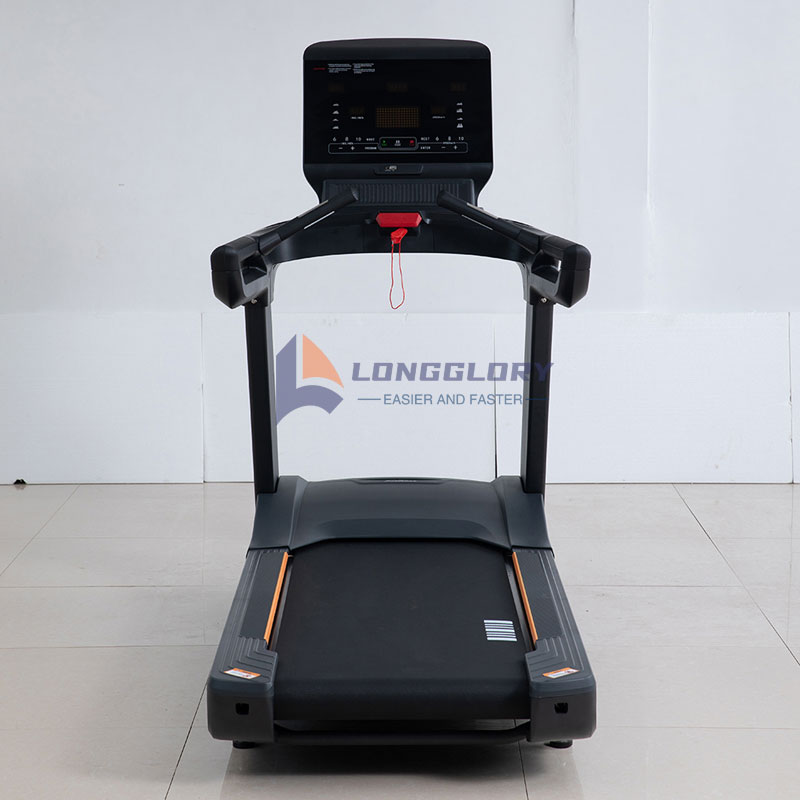
3. Efficient fat burning: By increasing exercise consumption, the uphill mode provides greater resistance. As the incline increases, the amount of exercise also needs to increase accordingly. This not only significantly improves the effect of aerobic training, but also allows you to burn more calories in the same amount of time, thus achieving better cardiovascular exercise results. In addition, it can also improve the efficiency of fat burning. For those who don't particularly enjoy running (especially those with a higher body weight, as this puts more pressure on the knee joints), you can increase the incline of the treadmill and walk uphill. This allows you to burn a considerable number of calories even at a lower intensity, achieving good fat loss results while maintaining exercise safety.
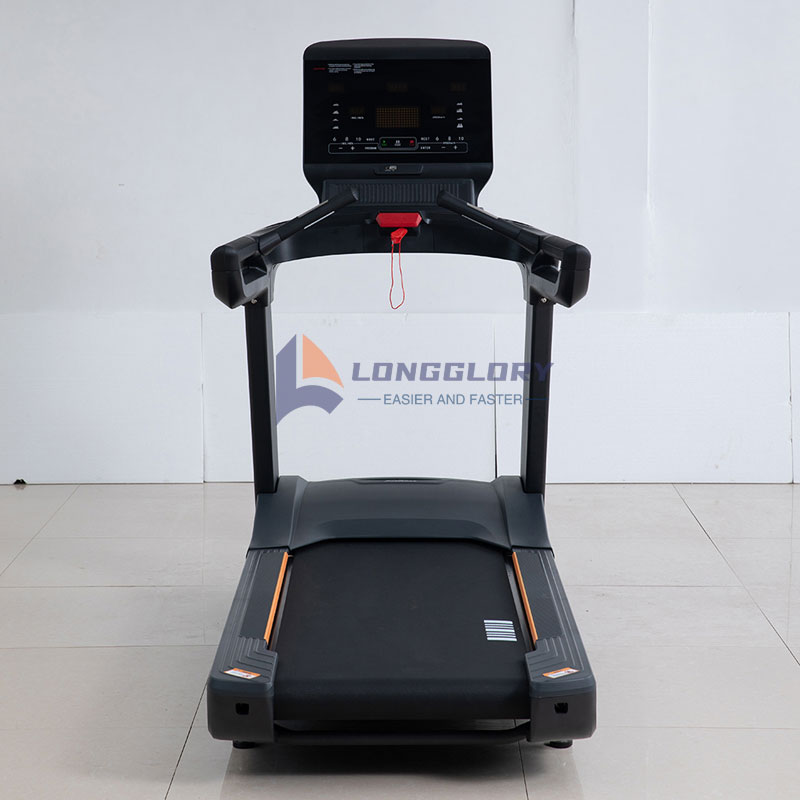
4. Protecting your knees: Experienced fitness coaches usually recommend setting a certain incline when running on a treadmill. This not only simulates the wind resistance of outdoor running but also helps protect your knees. You might feel discomfort in your knee joints when going downhill or down stairs, but not when going uphill. Therefore, adjusting the treadmill incline to 1-3 levels (i.e., an elevation angle of 2-5 degrees) is beneficial for your knees.
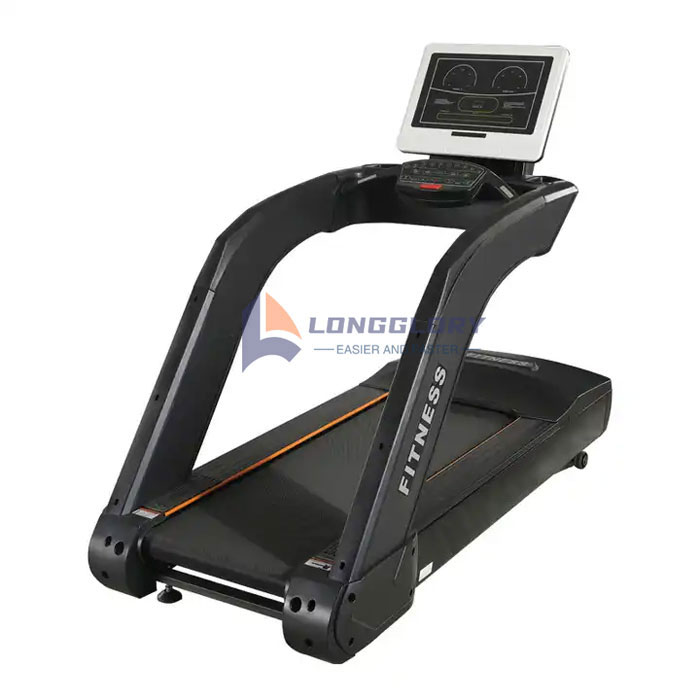
What is the appropriate treadmill incline? Beginners: It is recommended to start with a lower incline (such as 1-2%) and gradually increase it.
Weight loss goals: An incline between 7-12° combined with 30-40 minutes of exercise can effectively improve fat burning efficiency.
Cardiovascular fitness: An incline between 0-10°, maintaining your target heart rate for 25-35 minutes. Warm-up: An incline between 0-4° is suitable for warm-up exercises.
Simulating outdoor running: A 1% incline can simulate the wind resistance of outdoor running, suitable for simulating outdoor running conditions.
Precautions:
Gradual progression: Gradually increase the incline to avoid putting too much sudden strain on your body.
Reduce speed: When increasing the incline, appropriately reduce the speed to ensure your heart rate stays within the target range.
Pay attention to posture: Maintain a neutral body position, avoiding excessive leaning forward or holding onto the treadmill.
Adequate warm-up and cool-down: Perform a 5-10 minute warm-up before starting incline training and a cool-down at the end. Adjust according to individual circumstances: Everyone's tolerance for incline is different, so adjust according to your own situation.