- English
- Español
- Português
- русский
- Français
- 日本語
- Deutsch
- tiếng Việt
- Italiano
- Nederlands
- ภาษาไทย
- Polski
- 한국어
- Svenska
- magyar
- Malay
- বাংলা ভাষার
- Dansk
- Suomi
- हिन्दी
- Pilipino
- Türkçe
- Gaeilge
- العربية
- Indonesia
- Norsk
- تمل
- český
- ελληνικά
- український
- Javanese
- فارسی
- தமிழ்
- తెలుగు
- नेपाली
- Burmese
- български
- ລາວ
- Latine
- Қазақша
- Euskal
- Azərbaycan
- Slovenský jazyk
- Македонски
- Lietuvos
- Eesti Keel
- Română
- Slovenski
- मराठी
- Srpski језик
What equipment should you choose at the gym for the most efficient muscle gain?
For muscle building, most male enthusiasts want to have massive chest muscles, strong arms, and well-defined abs – the epitome of a hormonal, muscular man. However, building muscle is not a simple task.
To build muscle more efficiently, various factors need to work together, such as: workout plan, diet, and sleep.
I. Exercise Movements
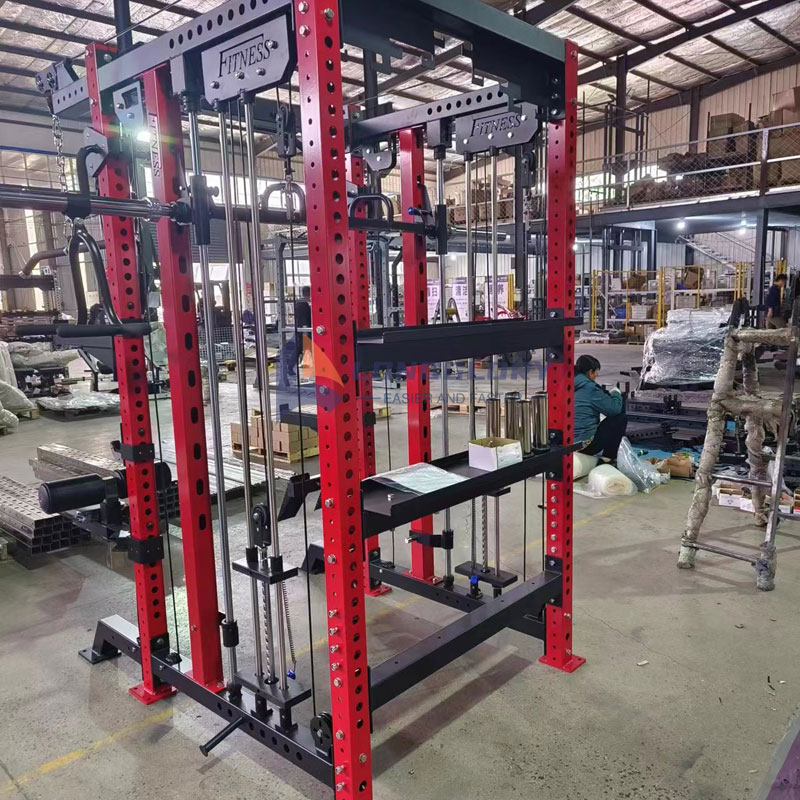
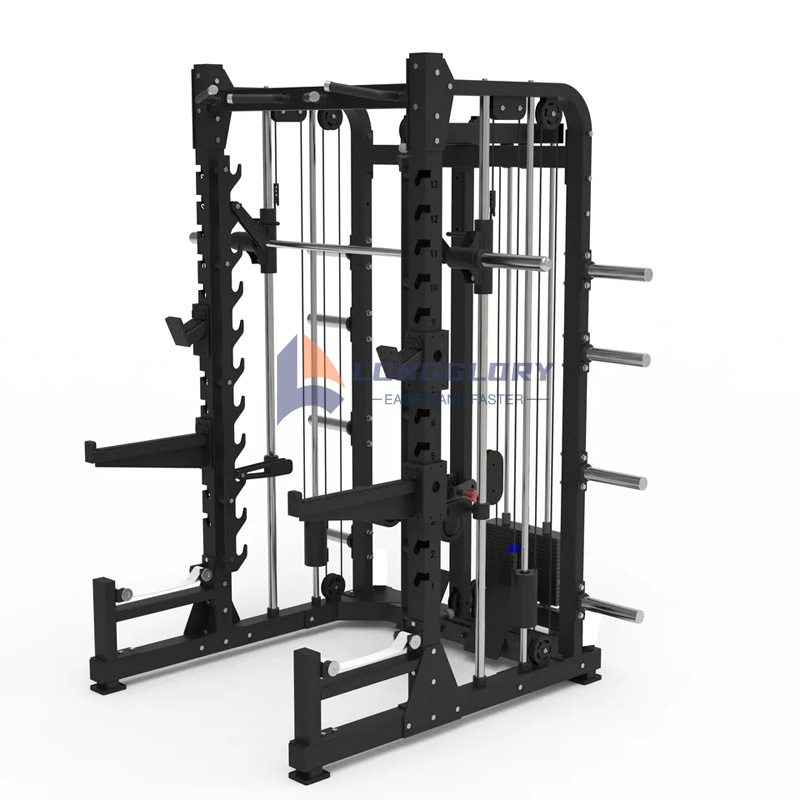
Compound exercises involving multiple joints and large muscle groups are the most efficient for muscle gain, such as: bench press, squats, deadlifts, and pull-ups.
These multi-joint exercises involving large muscle groups are more conducive to the body's secretion of growth hormone, which promotes faster muscle growth. They also promote metabolism and protein synthesis, and facilitate fat breakdown.
Squats: Provide strong stimulation to the entire lower body and torso, with significant training effects on the legs, glutes, and core muscle groups. Squats not only build muscle and physical fitness but also enhance body stability.
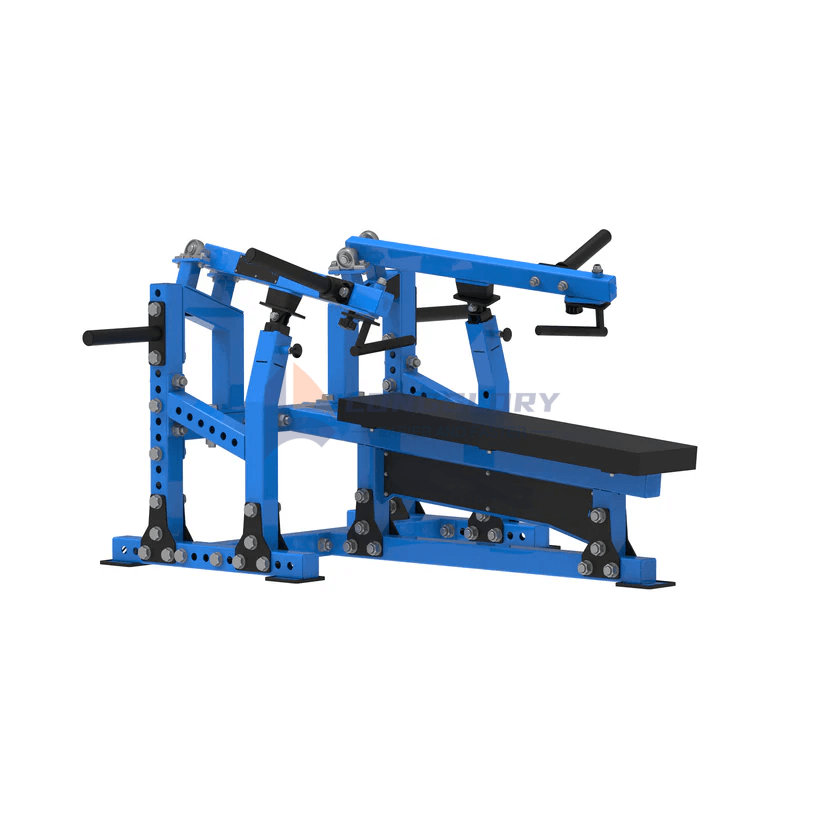
Bench Press: Primarily works the chest muscles and deltoids, and also trains the biceps and forearm muscles. The bench press involves many muscle groups and is the most effective for developing the pectoralis major, making it an irreplaceable compound upper body training exercise.
Deadlifts: An excellent exercise for the lower back and glutes, also engaging the entire posterior chain: glutes, hamstrings, erector spinae, etc. Deadlifts can be performed with different stances depending on the distance between the legs; a narrow stance is more effective for the back muscles, while a wider stance stimulates the glutes and legs more.
II. Workout Plan
A workout plan is essentially choosing which training method to use within a cycle, usually a week. A widely recognized and efficient plan is the three-day split plan, which involves cycling through training different muscle groups twice a week.
There are many types of three-day split plans:
1. Chest and triceps; back and biceps; shoulders and legs;
2. Chest and shoulders; back and arms; legs and abs;
3. Chest and triceps + shoulder press, back and biceps + rear deltoids, legs and abs. And so on. Because the three-part training plan is quite intense, it's crucial to consider your physical condition during exercise. Don't neglect your body's limits in pursuit of muscle gain; if the intensity leads to excessive fatigue and injury, it will be counterproductive.
III. Diet
Training is only one-third of the equation; diet accounts for the other two-thirds. Muscle growth requires sufficient nutrition. During the muscle-building phase, you need to increase your calorie intake. Muscle growth is a process of repeatedly tearing and repairing muscle fibers through training. Without sufficient nutrition, the muscles will only become weaker and smaller. Pay attention to carbohydrate intake; otherwise, it will directly affect training results. However, excessive intake will lead to excessive fat accumulation. You can replace your daily diet with high-quality proteins and carbohydrates, which will satisfy your appetite and provide the nutrients needed for muscle growth.
IV. Sleep
Muscles grow better during sleep, and sleep also helps relieve fatigue and accelerate recovery. It is recommended to get seven to eight hours of sleep every day.