- English
- Español
- Português
- русский
- Français
- 日本語
- Deutsch
- tiếng Việt
- Italiano
- Nederlands
- ภาษาไทย
- Polski
- 한국어
- Svenska
- magyar
- Malay
- বাংলা ভাষার
- Dansk
- Suomi
- हिन्दी
- Pilipino
- Türkçe
- Gaeilge
- العربية
- Indonesia
- Norsk
- تمل
- český
- ελληνικά
- український
- Javanese
- فارسی
- தமிழ்
- తెలుగు
- नेपाली
- Burmese
- български
- ລາວ
- Latine
- Қазақша
- Euskal
- Azərbaycan
- Slovenský jazyk
- Македонски
- Lietuvos
- Eesti Keel
- Română
- Slovenski
- मराठी
- Srpski језик
How to Set Up a Corporate Gym and Choose the Right Fitness Equipment
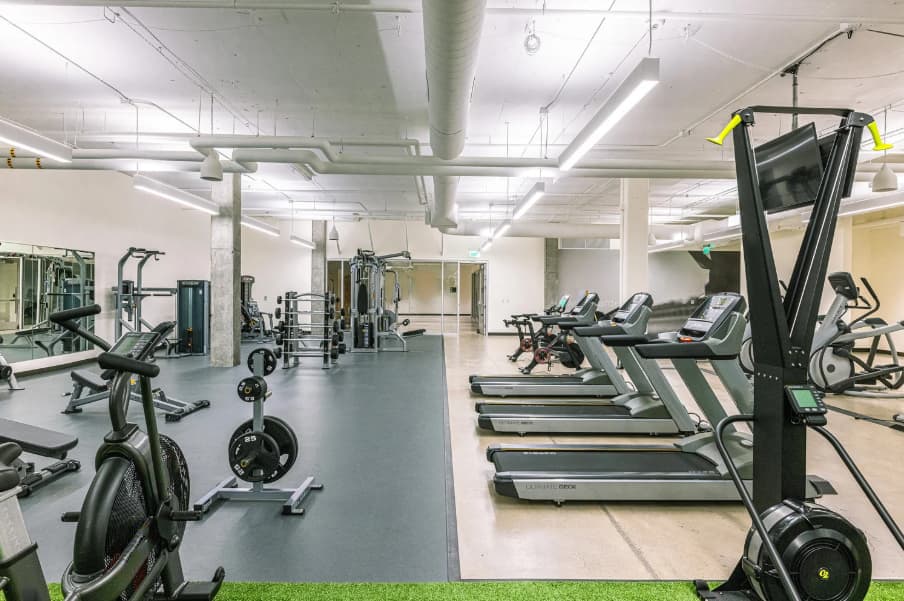
How should a corporate gym be equipped to ensure the right selection of fitness equipment?
1. Choose the Right Fitness Equipment Based on User Demographics
Before setting up a corporate gym, it is essential to understand your employees’ characteristics and fitness needs. Factors such as age, gender, and training experience influence their equipment preferences.
For example, younger employees tend to favor high-intensity cardio and free-weight training, while older employees may prefer light cardio and fixed-path strength machines.
Therefore, selecting equipment that suits the fitness level and needs of your employees is the key to maximizing usage.
2. Determine Equipment Quantity Based on Gym Space
Gym space and equipment quantity must be planned together. Generally, a larger gym requires more equipment, while a smaller gym should prioritize versatile machines, such as dumbbells and a bench press rack.
If the space is larger, more cardio and strength machines can be added to support diverse training demands.
3. Plan Functional Zones and Equipment Layout
A reasonable layout is crucial for usability and safety. Corporate gyms are typically divided into areas such as:
Equipment should be arranged according to its type. Cardio machines can be placed farther from the entrance, while frequently used weight training equipment should be placed in easily accessible positions.
This planning allows employees to quickly locate the equipment they need.
4. Provide Proper Gym Support Facilities
Support facilities play an important role in creating a comfortable gym environment.
For example:
Adequate drinking water and towels
Lockers
Shower rooms
These additions enhance the overall fitness experience and encourage more regular use of the gym.
5. Consider Safety Factors and Improve Training Effectiveness
Safety must be prioritized when equipping a corporate gym to prevent accidents during exercise.
This includes:
Providing basic training guidance and exercise tips
Regular safety checks on equipment
Routine maintenance and cleaning
Ensuring safety and proper usage will lead to better exercise results and greater employee satisfaction.